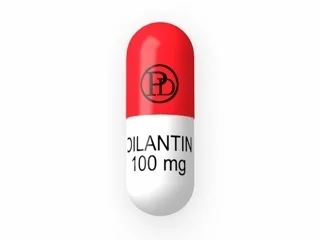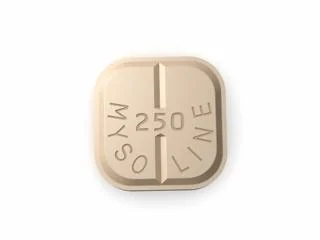
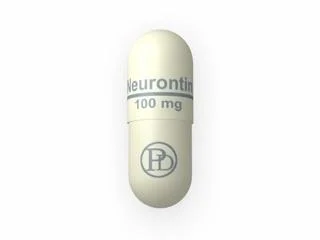
Neurontin
100 · 300 · 400 · 600mg
Gabapentin capsules for epilepsy and nerve pain. It is a GABA analogue that does not work through GABA receptors.
 Neurology Medications
These medicines act on the brain, nerves and spinal cord to control seizures, ease Parkinson’s, slow dementia and prevent migraine. This category spans several distinct drug groups, each matched to a specific neurological condition.
These medicines treat epilepsy, Parkinson’s disease, Alzheimer’s disease, bipolar disorder, migraine and migraine prophylaxis, and propranolol also treats hypertension and angina pectoris.
100 · 300 · 400 · 600mg
Gabapentin capsules for epilepsy and nerve pain. It is a GABA analogue that does not work through GABA receptors.
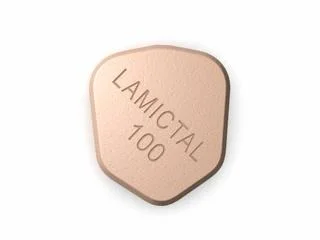
25 · 50 · 100 · 200mg
Lamotrigine tablets for epilepsy and bipolar disorder. It calms the electrical activity in the brain, helping to prevent mood swings and seizures.

25 · 50 · 100mg
Topiramate tablets for epilepsy and migraine prevention. It works through several pathways in the brain, which is why it is used for more than one condition.
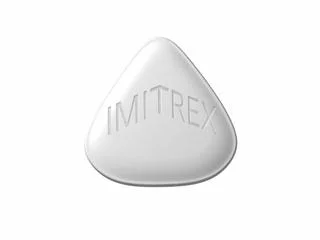
25 · 50 · 100mg
Sumatriptan tablets for migraine and cluster headache. It works by narrowing widened blood vessels in the brain, which is thought to stop the headache.

5 · 10mg
Flunarizine tablets for migraine prevention. It is not a painkiller; it works by calming the blood vessels in the brain over time.
8 · 16 · 24mg
Betahistine tablets for Meniere's disease and vertigo. It increases blood flow in the inner ear to reduce dizziness and nausea.
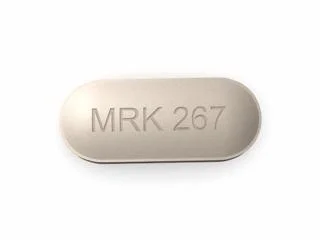
5 · 10mg
Rizatriptan tablets for migraine. It works by narrowing the blood vessels in the brain, which helps stop the headache.
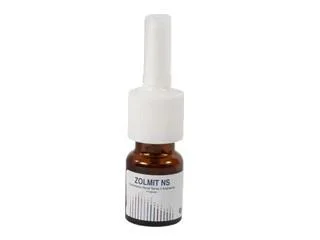
5mg
Zolmitriptan nasal spray for migraine. The spray form delivers the medicine through the nose, which can work faster than swallowing a tablet.
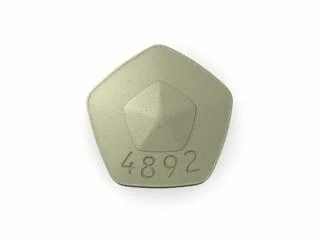
0.25 · 0.5 · 1 · 2mg
Ropinirole tablets for Parkinson's disease and restless legs syndrome. It mimics dopamine, a brain chemical that is low in Parkinson's.
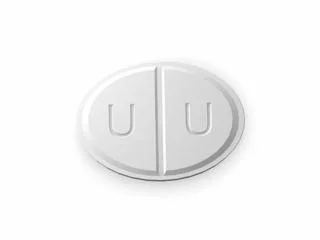
0.125 · 0.25 · 0.5mg
Pramipexole tablets for Parkinson's disease and restless legs syndrome. It mimics dopamine, the brain chemical that Parkinson's depletes.
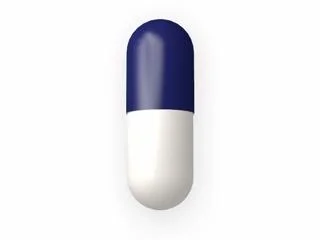
20 · 30 · 40 · 60mg
Duloxetine capsules for depression and anxiety. It increases both serotonin and noradrenaline in the brain.
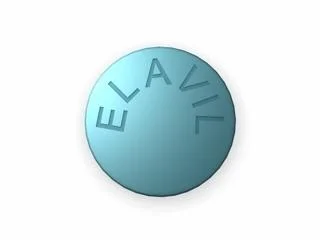
10 · 25 · 50mg
Amitriptyline tablets for depression and nerve pain. It was originally developed as an antidepressant but also affects how pain signals are processed.
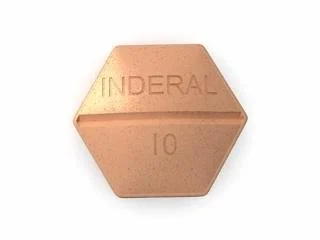
10 · 20 · 40 · 80mg
Propranolol tablets for high blood pressure and angina. It is a non-selective beta blocker, which means it affects more than one type of receptor in the body.
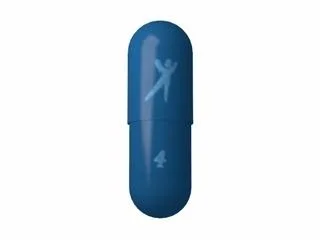
40mg
Propranolol modified-release capsules for high blood pressure and angina. The slow-release form keeps a steady level of medicine in your blood over 24 hours.
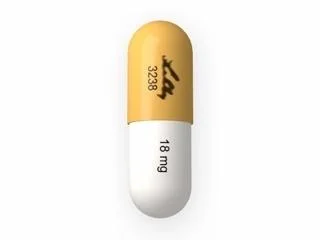
10 · 18 · 25 · 40mg
Atomoxetine hard capsules for ADHD. It works by increasing norepinephrine in the brain, which helps with attention and impulse control rather than being a stimulant.
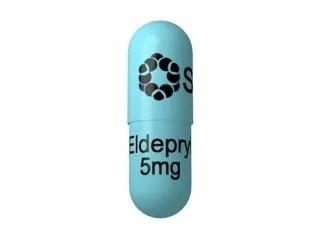
5 · 10mg
Selegiline tablets for Parkinson's disease. It works by selectively slowing the breakdown of dopamine in the brain.
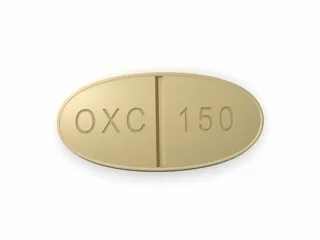
150 · 300 · 600mg
Oxcarbazepine tablets for epilepsy. It calms overactive nerve signals in the brain and is often chosen when other treatments cause too many side effects.
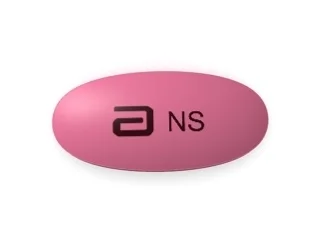
125 · 250 · 500mg
Valproic acid gastro-resistant tablets for epilepsy and bipolar disorder. The coating protects the medicine from stomach acid, releasing it further along the gut.
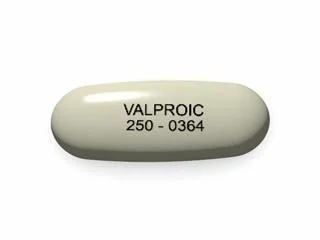
250 · 500 · 750mg
Valproic acid tablets for epilepsy and bipolar disorder. It is also used to prevent migraine headaches in some people.
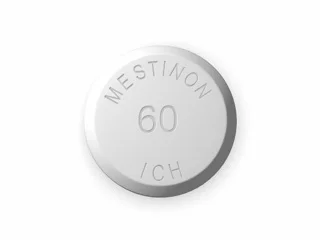
60mg
Pyridostigmine tablets for myasthenia gravis. It boosts the chemical signal between nerves and muscles.
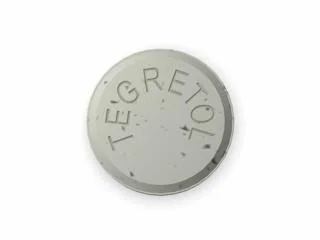
100 · 200 · 400mg
Carbamazepine tablets for epilepsy and trigeminal neuralgia. Regular blood tests are needed before and during treatment, as it can affect blood cell counts.
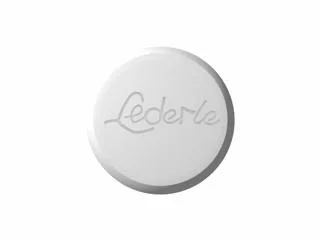
2mg
Trihexyphenidyl tablets for Parkinson's disease and movement disorders. It is an anticholinergic that calms overactive nerve signals causing tremors and stiffness.
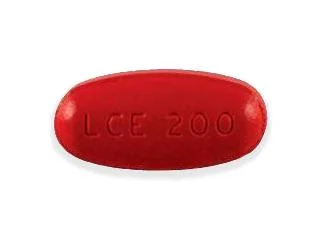
Carbidopa, Levodopa, Entacapone
25/100/200mg
Carbidopa, levodopa and entacapone film-coated tablets for Parkinson's disease. Entacapone helps levodopa last longer by preventing its early breakdown.
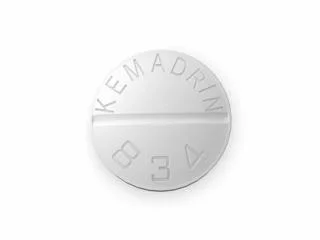
5mg
Procyclidine tablets for parkinsonism and movement disorders caused by certain medicines. It helps restore the balance of chemicals in the brain.
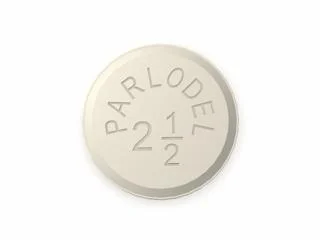
2.5mg
Bromocriptine tablets for Parkinson's disease and high prolactin. It stimulates dopamine receptors in the brain, acting as a dopamine substitute.
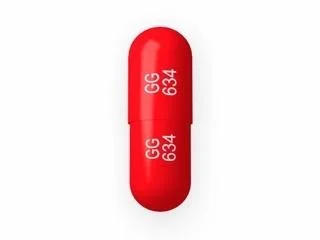
100mg
Amantadine tablets for Parkinson's disease and flu. It works on both conditions in different ways, boosting brain dopamine while also blocking flu viruses.
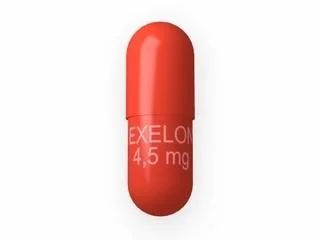
1.5 · 3mg
Rivastigmine capsules for dementia in Alzheimer's disease and Parkinson's disease. It works by slowing the breakdown of a chemical the brain needs for memory.
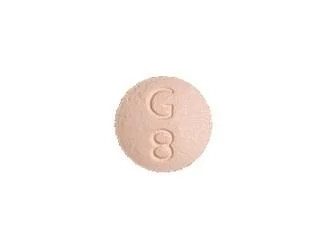
4 · 8mg
Galantamine tablets for Alzheimer's disease. It works by boosting acetylcholine, a brain chemical that declines as the condition progresses.
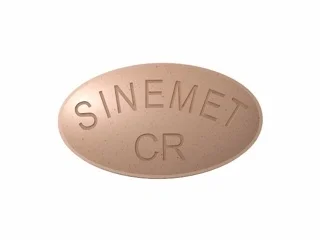
25/100mg
Carbidopa and levodopa modified-release tablets for Parkinson's disease. The slow-release coating keeps the dose working for longer between times.
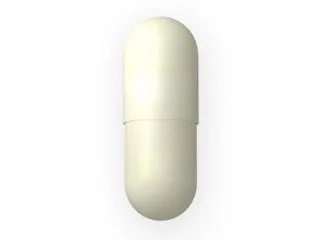
250 · 750mg
Valproic acid soft capsules for epilepsy and bipolar disorder. It calms overactive electrical activity in the brain, which is why it helps with both conditions.
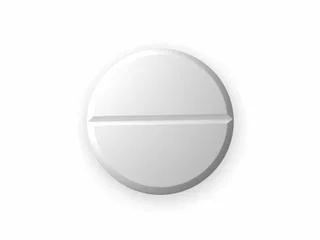
125 · 250 · 500mg
Divalproex prolonged-release tablets for epilepsy and bipolar disorder. It contains two forms of the same active substance for steadier levels in the blood.
20 · 40mg
Metoprolol tablets for high blood pressure and angina. It is a selective beta-1 blocker, meaning it mainly affects the heart rather than the whole body.
Every medicine here is prescription-only (POM), started and adjusted by a GP or neurologist, often with blood tests or specialist review. A first seizure, sudden severe “thunderclap” headache, or new weakness or slurred speech is an emergency. Call 999.

22 Sept 2026 ⋅ 10 min read
A diagnosis is not a prescribing pathway, and the question that decides whether treatment stays affordable is shared care. Why GPs decline it, what to ask before paying for a private assessment, and what to do when the medicine is out of stock.
Read guide
22 Sept 2026 ⋅ 9 min read
The 28 days people quote for pregabalin, gabapentin and tramadol is not a limit on how much you can be given. It is how long the prescription itself stays alive, and confusing the two is why people run out.
Read guide
11 Aug 2026 ⋅ 9 min read
There are two drug-driving offences and they treat prescriptions completely differently. One has a statutory defence if you were prescribed the medicine. The other does not, and it is the one that catches pregabalin, gabapentin and antihistamines.
Read guide
26 Jul 2026 ⋅ 8 min read
A real migraine-specific tablet is available from a pharmacist without a prescription. The catch is that the more often you reach for any of it, the more headaches you get, and migraine with aura changes which contraception is safe.
Read guide