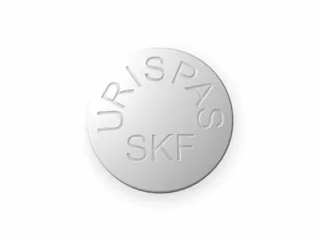
Vesicare
5 · 10mg
Solifenacin tablets for overactive bladder. It relaxes the bladder muscle, which reduces the urgent need to pass urine.
 Bladder Health Medications
Bladder health medicines calm an overactive bladder and reduce urgency, leaks and frequent trips to the toilet. This category covers antimuscarinics, beta-3 agonists and treatments that ease bladder muscle activity or night-time urine production.
These medicines treat overactive bladder, urinary incontinence, urinary urgency, urinary frequency, nocturia and interstitial cystitis.
5 · 10mg
Solifenacin tablets for overactive bladder. It relaxes the bladder muscle, which reduces the urgent need to pass urine.
50mg
Mirabegron tablets for overactive bladder. It relaxes the bladder muscle to increase its capacity, rather than tightening it.
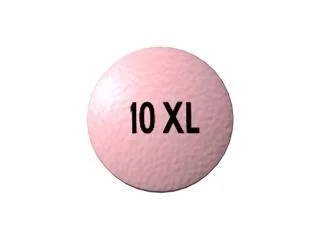
2.5 · 5mg
Oxybutynin tablets for urinary incontinence and detrusor overactivity. It can cause dry mouth because it affects saliva production.
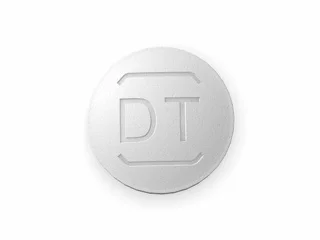
1 · 2mg
Tolterodine tablets for an overactive bladder. It calms the bladder muscle, reducing the urgency and frequency of needing to urinate.
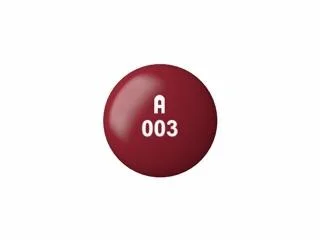
200mg
Phenazopyridine tablets for urinary tract pain. It is a local painkiller that numbs the urinary tract, rather than treating the underlying cause.
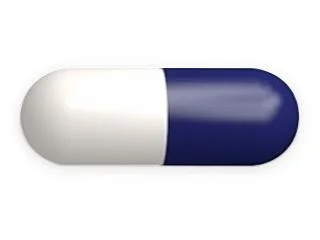
100mg
Pentosan polysulfate capsules for bladder pain. It coats the bladder wall with a protective layer, so it works differently from a painkiller.
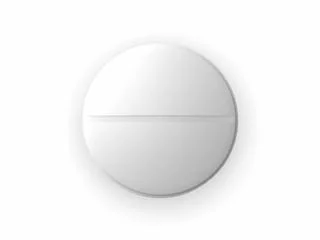
0.2mg
Desmopressin tablets for needing to pass urine at night. It is a man-made form of a hormone that reduces how much urine the body makes overnight.
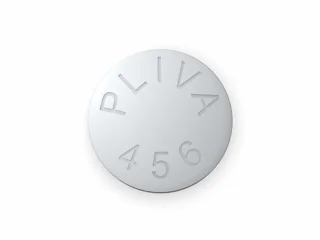
5mg
Oxybutynin patches for overactive bladder. The patch delivers the medicine through the skin steadily, which avoids peaks and troughs of a tablet.
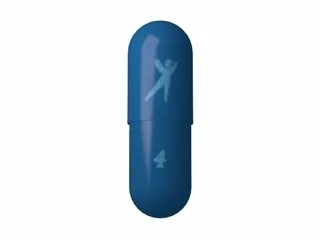
4mg
Tolterodine prolonged-release capsules for an overactive bladder. The slow-release form provides steady relief over the course of the day.
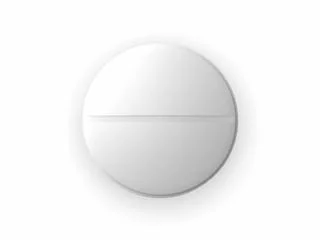
7.5mg
Darifenacin prolonged-release tablets for overactive bladder. It targets the bladder muscle specifically, which may mean fewer side effects elsewhere.

25mg
Bethanechol tablets for urinary retention. It helps the bladder squeeze, so it is not used when there is a blockage.
These medicines are prescription-only (POM). A GP or continence clinic confirms the cause before treatment, since urinary symptoms can stem from infection, prostate problems or other conditions. No bladder medicine here is sold over the counter.

23 Sept 2026 ⋅ 8 min read
After menopause, vaginal oestrogen is an evidence-backed option for preventing recurrent UTI, with results depending on the formulation and comparator, and many women are never told it exists.
Read guide
23 Sept 2026 ⋅ 8 min read
If thrush treatment has not worked, see a GP, who can check whether it is thrush or another infection and discuss recurring thrush. Pharmacy First treats UTIs.
Read guide