

Allegra
120 · 180mg
Fexofenadine tablets for hay fever and hives. It blocks histamine without causing drowsiness, which is why it is taken during the day.
 Allergy Relief Medications
Allergy relief calms the histamine reaction behind sneezing, itching, hives and watery eyes. This category covers oral antihistamines, steroid nasal sprays and eye drops, the everyday treatments for hay fever and allergic skin.
These medicines treat allergic rhinitis, seasonal allergic rhinitis, urticaria, pruritus and allergic conjunctivitis.
120 · 180mg
Fexofenadine tablets for hay fever and hives. It blocks histamine without causing drowsiness, which is why it is taken during the day.
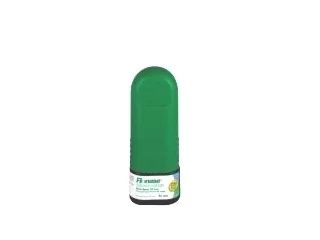
50mcg
Fluticasone nasal spray for hay fever. A spray delivers the medicine directly to the nose, so less enters the rest of the body.
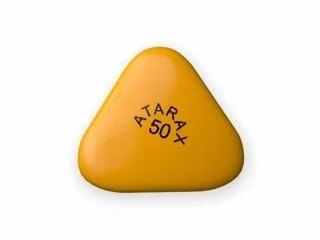
10 · 25mg
Hydroxyzine tablets for hives and itching. Its sedative action means it can cause drowsiness.
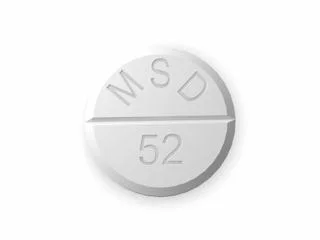
4mg
Cyproheptadine tablets for allergic rhinitis and hives. It is a first-generation antihistamine, which can cause drowsiness.
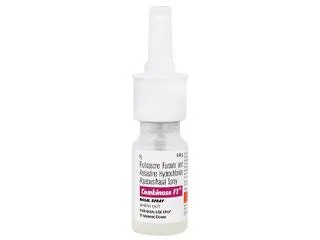
50/140mcg
A fluticasone and azelastine nasal spray for allergic rhinitis. Two medicines in one spray, one to calm inflammation and one to block histamine.
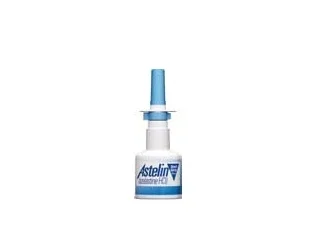
10ml
Azelastine nasal spray for hay fever and allergic conjunctivitis. It is a second-generation antihistamine, less likely to cause drowsiness than older tablets.
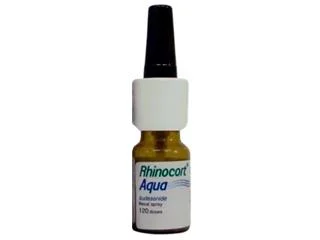
64mcg
Budesonide nasal spray for allergic rhinitis. It reduces swelling and irritation in the nasal lining rather than treating the underlying allergy itself.
Many allergy treatments sell over the counter as Pharmacy (P) or general sale (GSL) medicines, including fexofenadine, low-dose fluticasone sprays and most eye drops. Stronger antihistamines such as hydroxyzine and higher-strength steroid sprays stay prescription-only (POM). A swollen tongue, throat tightness or difficulty breathing after exposure signals anaphylaxis. Call 999.

22 Sept 2026 ⋅ 8 min read
Two things decide how anaphylaxis goes: how fast the adrenaline is given, and whether the person stays lying down. Standing up during a severe reaction can cause a sudden collapse, and almost nobody is told.
Read guide
22 Sept 2026 ⋅ 8 min read
The most effective hay fever treatment sits on the pharmacy shelf, and most people use it wrongly then give up on it. How to aim a nasal spray, why starting early matters, and an honest answer about the steroid injection.
Read guide