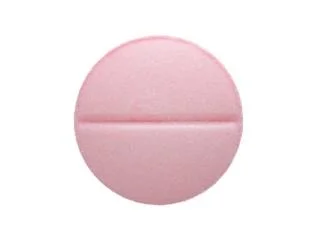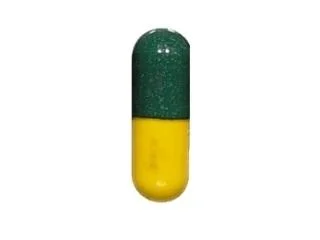
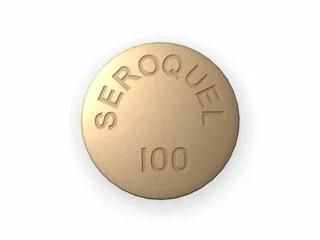
Seroquel
25 · 50 · 100 · 200 · 300mg
Quetiapine film-coated tablets for schizophrenia and bipolar disorder. It works on several brain chemicals at once, helping to stabilise both mood and thinking.
 Mental Health Medications
This category covers medicines for serious psychiatric conditions: antipsychotics that ease psychosis and mania, and anxiolytics that calm severe anxiety. They act on brain chemicals such as dopamine and serotonin, and a single drug often serves several uses.
These medicines treat schizophrenia, bipolar disorder, manic episode, acute psychosis, anxiety, generalised anxiety disorder, pruritus and urticaria.
25 · 50 · 100 · 200 · 300mg
Quetiapine film-coated tablets for schizophrenia and bipolar disorder. It works on several brain chemicals at once, helping to stabilise both mood and thinking.
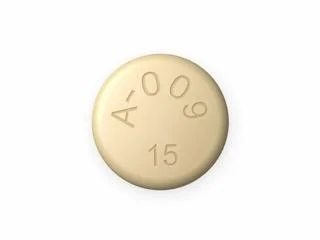
5 · 10 · 15 · 20 · 30mg
Aripiprazole tablets for schizophrenia and manic episodes. It partly activates dopamine receptors instead of blocking them.
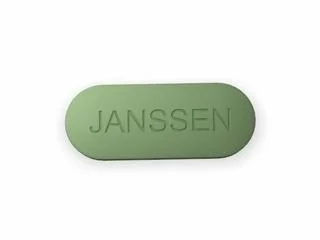
1 · 2 · 3 · 4mg
Risperidone tablets for schizophrenia and bipolar disorder. As an atypical antipsychotic, it tends to cause fewer movement-related side effects than older types.
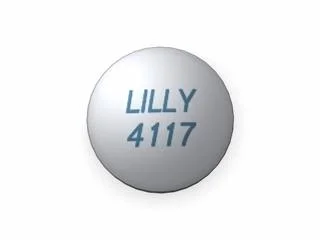
2.5 · 5 · 7.5 · 10 · 15 · 20mg
Olanzapine tablets for schizophrenia and bipolar disorder. It can cause weight gain, and a prescriber monitors diet and weight before starting and during treatment.
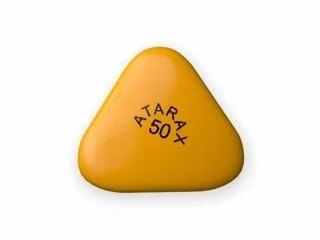
10 · 25mg
Hydroxyzine tablets for hives and itching. Its sedative action means it can cause drowsiness.
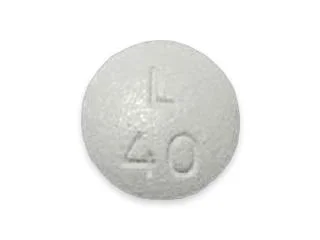
40 · 80mg
Lurasidone tablets for schizophrenia. It works on brain chemicals linked to mood and thinking, helping with both psychotic symptoms and mood changes.
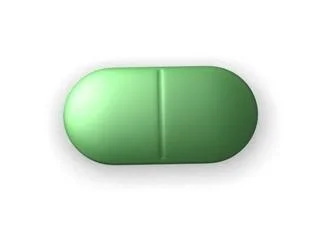
2mg
Risperidone tablets for schizophrenia and bipolar disorder. It helps balance brain chemicals involved in mood and perception.
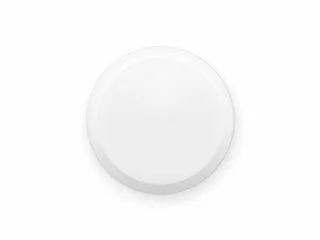
10mg
Haloperidol tablets for schizophrenia and acute psychosis. It calms the mind by reducing dopamine activity in the brain.
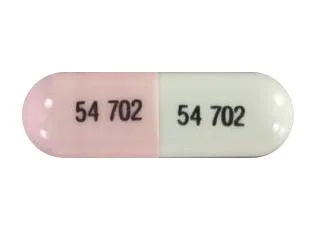
300mg
Lithium prolonged-release tablets for bipolar disorder and depression. It helps balance brain chemicals by modulating serotonin and noradrenaline release.
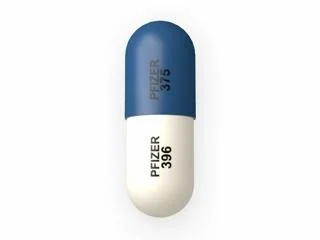
20 · 40 · 80mg
Ziprasidone capsules for schizophrenia and bipolar disorder. It affects both dopamine and serotonin, which is why it is sometimes used for both conditions.
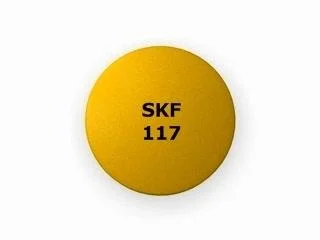
50 · 100mg
Chlorpromazine tablets for schizophrenia and psychotic disorders. It is one of the older antipsychotics and can cause significant drowsiness.
Every antipsychotic and anxiolytic here is prescription-only (POM), started and monitored by a clinician with checks on weight, blood sugar and heart rhythm. None sell over the counter. Stopping suddenly after long-term use risks relapse and withdrawal, so changes are planned. Thoughts of self-harm, a mental health crisis, or signs of overdose need urgent help. Call 111, or 999 in an emergency.

23 Sept 2026 ⋅ 8 min read
Propranolol reduces the physical signs of anxiety, such as a racing heart and shaking. Learn where it may help, why it does not treat worry itself, why asthma rules it out, and how to access support.
Read guide
22 Sept 2026 ⋅ 10 min read
A diagnosis is not a prescribing pathway, and the question that decides whether treatment stays affordable is shared care. Why GPs decline it, what to ask before paying for a private assessment, and what to do when the medicine is out of stock.
Read guide