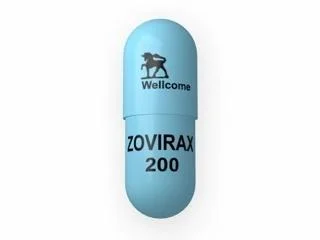
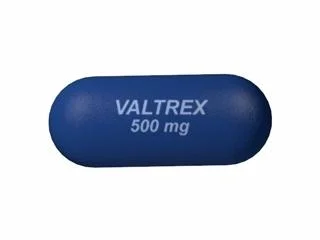
Valtrex
500 · 1000mg
Valaciclovir tablets for shingles and herpes. The body converts it into acyclovir, which is the active antiviral.
 Antivirals Medications
Antivirals stop viruses copying themselves, so they ease infection rather than cure it outright. This category covers herpes treatments, hepatitis B and C regimens, and influenza drugs, each tied to a specific virus.
These medicines treat herpes simplex, genital herpes, herpes zoster, varicella zoster infection, chronic hepatitis C, chronic hepatitis B, HIV infection and influenza.
500 · 1000mg
Valaciclovir tablets for shingles and herpes. The body converts it into acyclovir, which is the active antiviral.
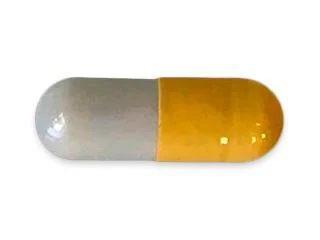
75mg
Oseltamivir capsules for influenza. It can also be used to help prevent flu after close contact with someone who has it.
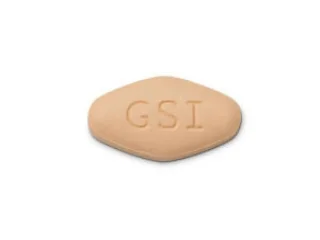
90/400mg
A ledipasvir and sofosbuvir tablet for chronic hepatitis C. It stops the virus from copying itself, and treatment usually lasts for a set number of weeks.
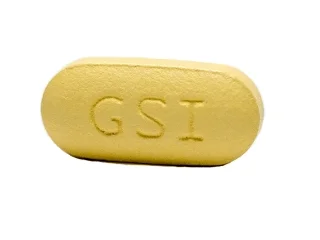
400mg
Sofosbuvir film-coated tablets for chronic hepatitis C. It blocks the virus's ability to copy itself, but it is usually taken alongside other antiviral medicines.
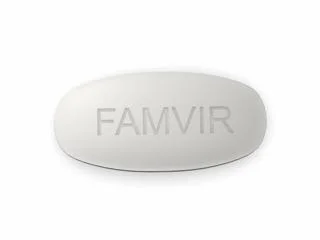
250 · 500mg
Famciclovir tablets for shingles and genital herpes. It is a prodrug that the body turns into an active medicine which stops the virus from copying itself.
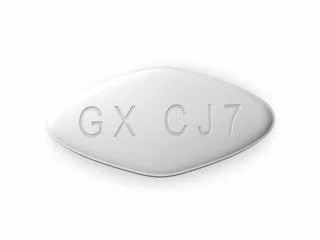
150mg
Lamivudine tablets for HIV and hepatitis B. It targets a similar enzyme in both viruses, which is why it is used for both conditions.
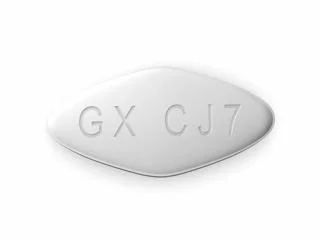
100mg
Lamivudine tablets for chronic hepatitis B. It is a nucleoside analogue that stops the hepatitis B virus from copying itself.
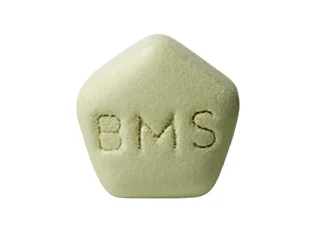
60mg
Daclatasvir tablets for chronic hepatitis C. It blocks a protein the virus needs to make copies of itself.

400/100mg
A sofosbuvir and velpatasvir tablet for chronic hepatitis C. It is taken for a set period, usually 12 weeks, and clears the virus in most people.
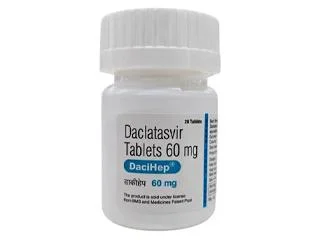
60mg
Daclatasvir tablets for chronic hepatitis C. It targets a protein the virus needs to copy itself, stopping it from multiplying.
Every antiviral here is prescription-only (POM). Hepatitis and HIV drugs are started and monitored by specialists, while a GP or sexual-health clinic handles herpes treatment. Aciclovir cold-sore cream is the rare exception, sold over the counter as a Pharmacy (P) medicine for the lips.

23 Sept 2026 ⋅ 9 min read
Antivirals stop a virus copying itself, so they only work on replication that has not happened yet. That single mechanism explains the first tingle, the 72-hour shingles window, and why late treatment disappoints.
Read guide