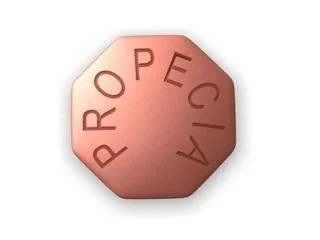
Propecia
1 · 5mg
Finasteride tablets for male pattern baldness. It blocks the conversion of testosterone into a hormone that causes hair loss.
 Hair Loss Medications
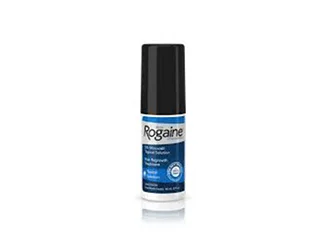
These medicines slow male and female pattern hair loss and can regrow some hair. Treatment works only while you keep using it. This category covers topical minoxidil and the oral DHT-blocking tablets that target the hormone driving the thinning.
1 · 5mg
Finasteride tablets for male pattern baldness. It blocks the conversion of testosterone into a hormone that causes hair loss.

1mg
Finasteride tablets for male hair loss. It works by lowering a hormone that shrinks hair follicles, so it is not a treatment for women.
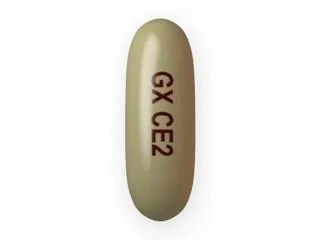
0.5mg
Dutasteride capsules for an enlarged prostate and hair loss. It blocks two forms of the conversion enzyme, so it is sometimes chosen over finasteride.
0.5mg
Dutasteride capsules for an enlarged prostate. It blocks both forms of the hormone-converting enzyme, making it stronger than some alternatives in the same class.
These medicines treat androgenetic alopecia. The DHT blockers also feature in benign prostatic hyperplasia, and oral minoxidil has a long history in hypertension and severe hypertension.
Topical minoxidil sells over the counter as a Pharmacy (P) medicine for pattern hair loss. Finasteride and dutasteride are prescription-only (POM): finasteride for hair loss is private, since the NHS rarely funds it. A clinician should weigh the hormonal effects before starting.

23 Sept 2026 ⋅ 8 min read
These treatments hold ground rather than win it back, which changes what starting one actually commits you to. Realistic timelines, why shedding early is expected, and a straight account of the 2026 MHRA warning.
Read guide
9 Jul 2026 ⋅ 8 min read
The shedding starts two to three months after the trigger, so by the time you notice it you are looking at the wrong month. And the hairs coming out are being pushed by new growth underneath, which makes the shed a lagging indicator rather than a forecast.
Read guide