
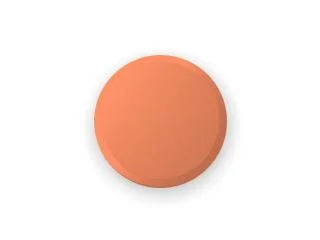
Rivaroxaban Tablets
10mg
Rivaroxaban tablets for deep vein thrombosis and pulmonary embolism. It blocks a single clotting factor, which is a more targeted approach than older blood thinners.
 Covid-19 Support Medications
This category covers medicines used to treat Covid-19 and the problems it can cause, from antivirals taken early to steroids and blood thinners for severe illness. It also includes treatments for lung scarring that can follow infection.
These medicines support Covid-19 and its complications: bacterial infection, inflammation, deep vein thrombosis, pulmonary embolism, idiopathic pulmonary fibrosis and chronic fibrosing interstitial lung disease.
10mg
Rivaroxaban tablets for deep vein thrombosis and pulmonary embolism. It blocks a single clotting factor, which is a more targeted approach than older blood thinners.
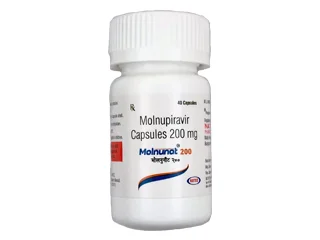
200mg
Molnupiravir capsules for Covid-19. It works by introducing errors into the virus's genetic code so it cannot replicate.
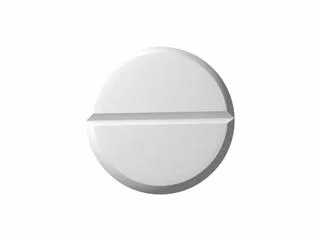
0.5mg
Dexamethasone tablets for inflammation and allergic reactions. It calms the immune system, so it is used when the body's defences overreact.

100mg
Nintedanib capsules for pulmonary fibrosis. It slows the scarring process in the lungs by blocking several growth signals.
200 · 400mg
Pirfenidone tablets for pulmonary fibrosis. It slows scarring in the lungs by calming the immune response, rather than treating an infection.
Every medicine here is prescription-only (POM). NHS clinicians decide who qualifies for antivirals and when hospital treatments such as dexamethasone or anticoagulants apply. None is sold over the counter. Breathlessness, chest pain or blue lips need urgent help. Call 999.