
Champix
0.5 · 1mg
Varenicline tablets for stopping smoking. It partially activates nicotine receptors, which reduces cravings and makes smoking less satisfying.
 Addiction Recovery Medications
Addiction recovery medicines support people withdrawing from alcohol, opioids or nicotine. They work in different ways: some block the reward, some deter drinking, and some calm cravings. This category covers the prescribed agents that sit alongside counselling and structured support.
These medicines treat alcohol dependence, opioid dependence, tobacco dependence, smoking cessation and, with bupropion and naltrexone, obesity.
0.5 · 1mg
Varenicline tablets for stopping smoking. It partially activates nicotine receptors, which reduces cravings and makes smoking less satisfying.
150mg
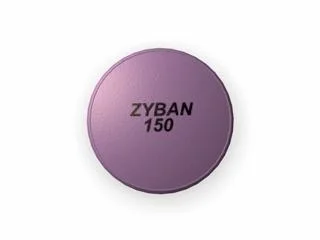
Bupropion tablets for quitting smoking and depression. It works on dopamine and noradrenaline, not serotonin, which is why it is unlike most antidepressants.
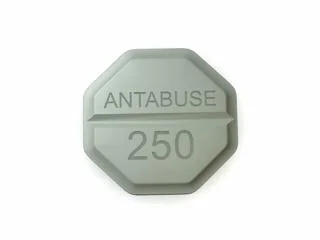
250 · 500mg
Disulfiram tablets for alcohol dependence. Consuming alcohol while on this medicine causes a severe reaction with flushing and nausea.
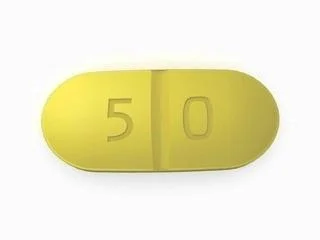
50mg
Naltrexone tablets for alcohol and opioid dependence. It blocks the feel-good effects of these substances, which helps reduce cravings.

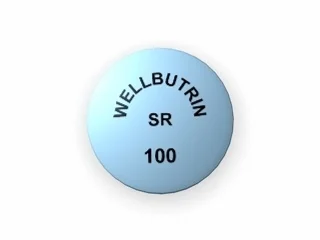
150 · 300mg
Bupropion modified-release tablets for depression and quitting smoking. Unlike many antidepressants, it does not affect serotonin.

333mg
Acamprosate gastro-resistant tablets for alcohol dependence. It works by restoring the balance of brain chemicals that long-term alcohol use disrupts.
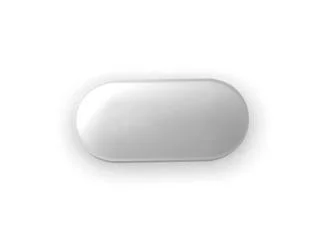
8/90mg
A bupropion and naltrexone tablet for obesity. It targets the brain's appetite and reward centres together.
Every medicine here is prescription-only (POM). A GP or specialist drug and alcohol service starts treatment, often with monitoring. Sudden alcohol withdrawal can trigger seizures or confusion: that needs urgent assessment. Call 111, or 999 if someone is fitting or unresponsive.

22 Sept 2026 ⋅ 8 min read
Almost everyone tries the one method with the worst odds, unaided willpower, and concludes from failing at it that they cannot quit. The free NHS service roughly triples your chances, and combining it with a medicine does better still.
Read guide