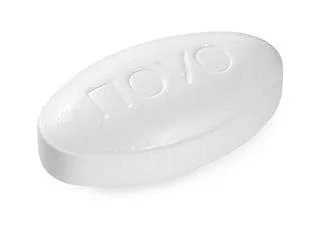
Rybelsus
3 · 7 · 14mg
Semaglutide tablets for type 2 diabetes. It mimics a natural gut hormone that signals the pancreas to release insulin only when blood sugar is high.
 Diabetes Management Medications
These medicines control blood glucose in type 2 diabetes, each lowering sugar by a different route. The category spans first-line metformin, the older sulfonylureas, and newer tablets that target the gut and pancreas.
These medicines treat type 2 diabetes mellitus, and some now help chronic heart failure too.
3 · 7 · 14mg
Semaglutide tablets for type 2 diabetes. It mimics a natural gut hormone that signals the pancreas to release insulin only when blood sugar is high.
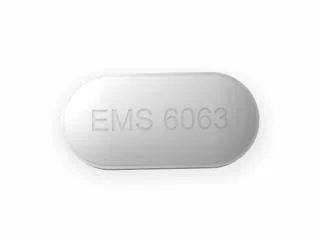
500 · 850 · 1000mg
Metformin tablets for type 2 diabetes. It helps the body use insulin more effectively, which is why it is often the first tablet prescribed.
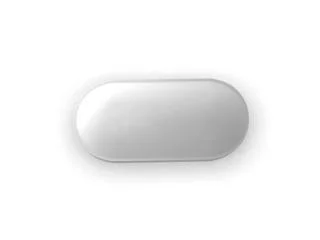
5 · 10mg
Dapagliflozin tablets for type 2 diabetes and chronic heart failure. It works by removing excess sugar through the urine, which the body then passes out.
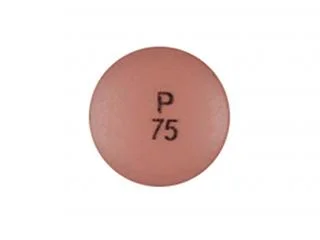
50 · 100mg
Sitagliptin tablets for type 2 diabetes. It works by helping the body release more insulin after meals.
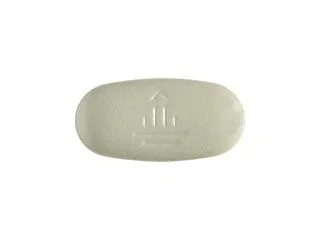
100mg
Canagliflozin tablets for type 2 diabetes. It works by removing excess sugar through the urine, which also means it can help with weight loss.
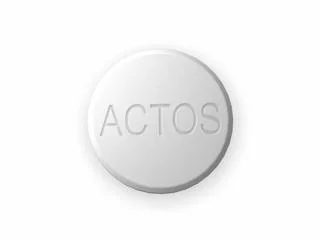
15 · 30mg
Pioglitazone tablets for type 2 diabetes. It makes the body more sensitive to insulin rather than forcing the pancreas to make more.
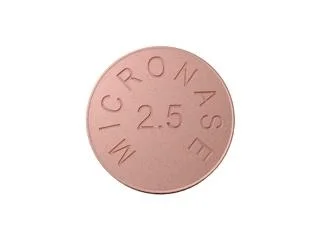
2.5 · 5mg
Glibenclamide tablets for type 2 diabetes. It prompts the pancreas to release more of its own insulin.
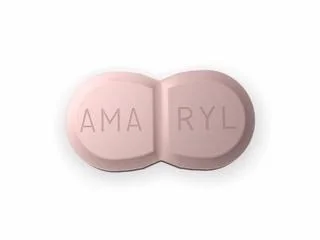
1 · 2 · 4mg
Glimepiride tablets for type 2 diabetes. It stimulates the pancreas to release more insulin after meals.
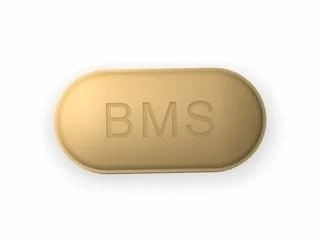
400/2.50 · 500/5mg
Metformin and glibenclamide tablets for type 2 diabetes. Two medicines work together to lower blood sugar in different ways.
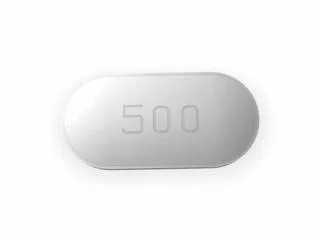
500mg
Metformin prolonged-release tablets for type 2 diabetes. The slow release keeps the medicine working steadily, so blood sugar levels stay more even.
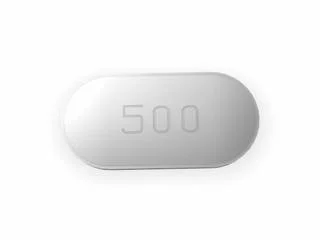
1000mg
Metformin prolonged-release tablets for type 2 diabetes. The prolonged-release form means the medicine is released slowly, helping to avoid sugar spikes after meals.
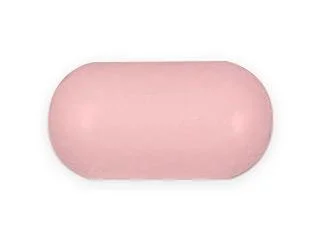
500/15mg
Metformin and pioglitazone tablets for type 2 diabetes. Two different ways of lowering blood sugar in one tablet.
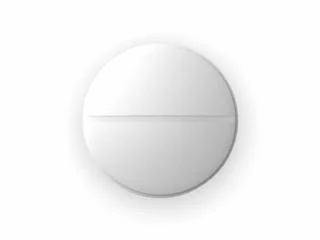
5mg
Linagliptin tablets for type 2 diabetes. It helps the body make more of its own insulin after meals.
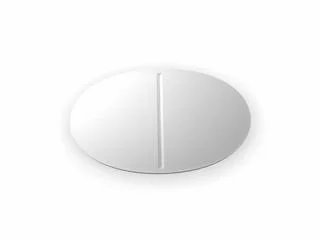
5/500 · 5/1000mg
Saxagliptin and metformin prolonged-release tablets for type 2 diabetes. The slow release means the medicine works steadily throughout the day.
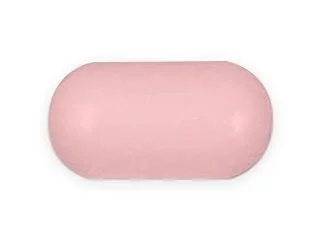
50/1000mg
Sitagliptin and metformin tablets for type 2 diabetes. One part helps the body use insulin better after meals, while the other reduces sugar made by the liver.

50mg
Vildagliptin tablets for type 2 diabetes. It helps the body make better use of its own insulin after meals.
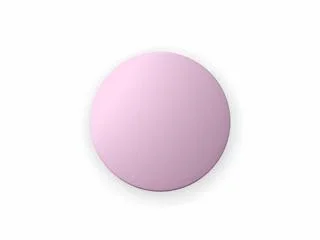
25/5mg
A linagliptin and empagliflozin tablet for type 2 diabetes. Two different actions in one tablet help control blood sugar throughout the day.
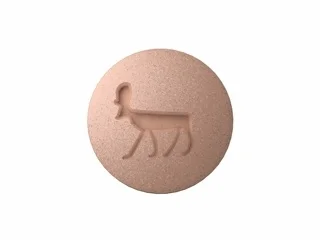
0.5 · 1 · 2mg
Repaglinide tablets for type 2 diabetes. It prompts the pancreas to release insulin quickly after eating.
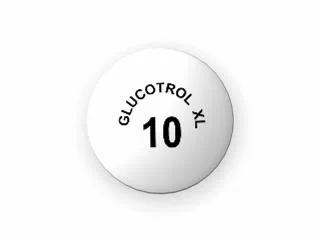
5 · 10mg
Glipizide prolonged-release tablets for type 2 diabetes. The extended release means the medicine works over a longer period, so the need for extra doses is reduced.
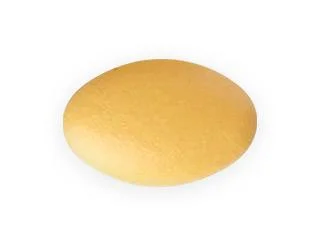
2.5/500mg
Linagliptin and metformin tablets for type 2 diabetes. One part helps the body use its own insulin better, while the other lowers sugar production in the liver.
Every glucose-lowering drug here is prescription-only (POM), prescribed and reviewed by a GP or diabetes team alongside HbA1c blood tests. No oral diabetes medicine is sold over the counter. Blood glucose meters and test strips are the only items you can buy freely.

23 Sept 2026 ⋅ 8 min read
Type 2 diabetes was called progressive and lifelong for decades. A UK trial showed that for a substantial minority it is not, and that remission tracks weight loss closely. Plus the free-prescription entitlement most people never claim.
Read guide