
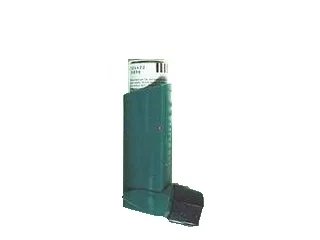
Ventolin Evohaler
100mcg
A salbutamol inhaler for asthma and COPD. It is a reliever, not a preventer, so it is used when symptoms come on rather than every day.
 Respiratory Health Medications
These medicines open the airways and dampen inflammation in the lungs and nose. This category covers reliever and preventer inhalers for asthma and COPD, plus treatments for allergy, mucus-clogged airways and progressive lung scarring.
These medicines treat asthma, chronic obstructive pulmonary disease, allergic rhinitis, bronchitis, productive cough, respiratory tract disorders associated with viscid mucus, idiopathic pulmonary fibrosis and chronic fibrosing interstitial lung disease.
100mcg
A salbutamol inhaler for asthma and COPD. It is a reliever, not a preventer, so it is used when symptoms come on rather than every day.
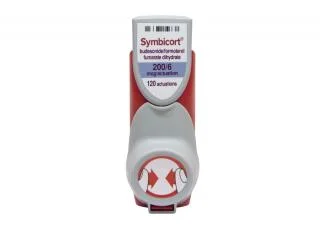
160/4.5mcg
A budesonide and formoterol inhaler for asthma and COPD. Two different types of medicine in one inhaler, a steroid and a bronchodilator.
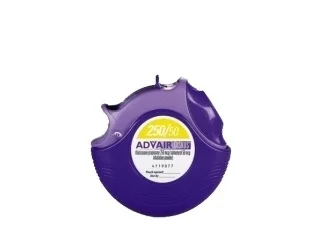
100/50 · 250/50 · 500/50mcg
Salmeterol and fluticasone inhaler for asthma and COPD. A long-acting bronchodilator and a steroid combined in one device for daily use.
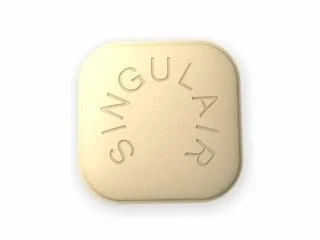
4 · 5 · 10mg
Montelukast chewable tablets for asthma and hay fever. It blocks leukotrienes, which are substances the body releases during an allergic reaction.
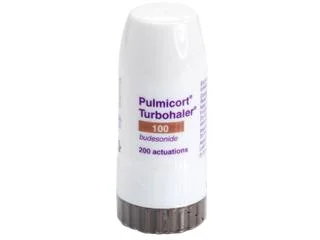
100 · 200mcg
A budesonide inhaler for asthma and COPD. It reduces inflammation in the airways and is a preventer, not a reliever.
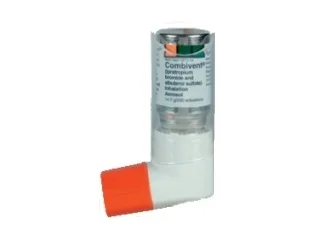
50/20mcg
An ipratropium and salbutamol inhaler for COPD. Two airway-relaxing medicines combined in one spray.
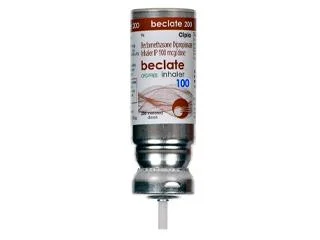
200mcg
Beclometasone inhaler for asthma. It is a corticosteroid preventer, reducing airway inflammation rather than opening the airways directly.
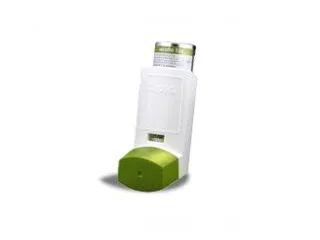
25/125 · 25/250mcg
A fluticasone and salmeterol inhaler for asthma and COPD. It combines a steroid to reduce inflammation with a long-acting bronchodilator to keep airways open.
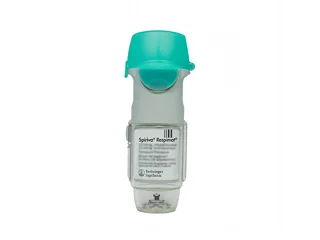
9mcg
Tiotropium inhalation powder in a hard capsule for COPD. As a long-acting muscarinic antagonist, one inhalation keeps the airways open for up to 24 hours.
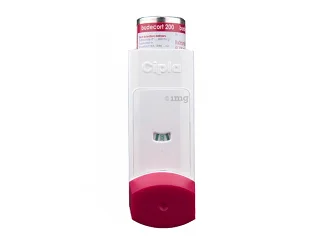
100mcg
A budesonide nasal spray for allergic rhinitis and nasal polyps. It reduces inflammation directly in the nose and sinuses.
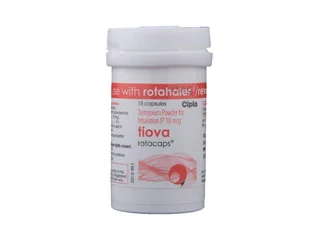
15caps
Tiotropium capsules for COPD. The hard capsule is designed for the Rotahaler device, not a standard inhaler.
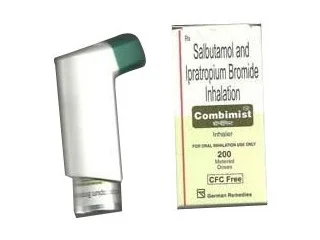
50/20mcg
A levosalbutamol and ipratropium inhaler for COPD and asthma. Two bronchodilators in one device, so it is a reliever rather than a preventer.
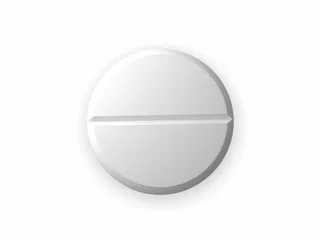
2 · 4mg
Salbutamol tablets for asthma and COPD. Because the medicine enters the bloodstream, it can cause more side effects than the inhaler form.
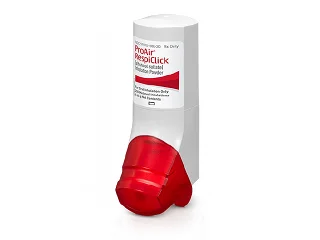
100mcg
A salbutamol inhaler for asthma and COPD. It quickly opens the airways and is used as a reliever, not a preventer.
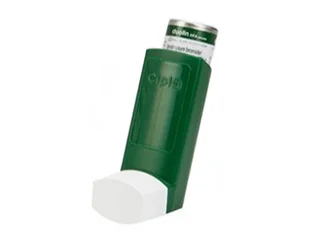
9mcg
Tiotropium inhalation powder for chronic obstructive pulmonary disease. It is a long-acting inhaler, so one dose can help control symptoms throughout the day.
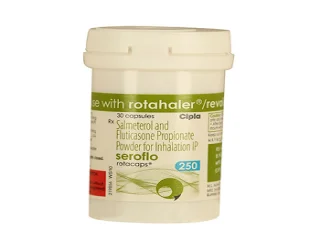
50/250mg
Fluticasone and salmeterol inhaler for asthma and COPD. Two medicines in one device: a steroid to calm inflammation and a bronchodilator to open the airways.
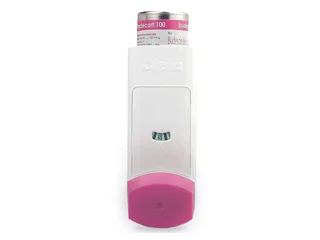
100mcg
Budesonide inhaler for asthma and COPD. It is inhaled directly into the lungs, delivering the anti-inflammatory effect right where it is needed.
100mg
Nintedanib capsules for pulmonary fibrosis. It slows the scarring process in the lungs by blocking several growth signals.
8mg
Bromhexine tablets for sticky mucus in the chest. It is a mucolytic, meaning it breaks down mucus rather than just suppressing the cough.
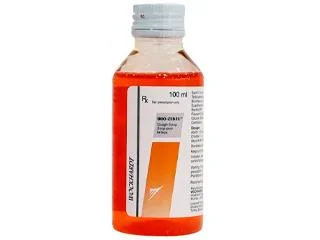
Bromhexine, Guaifenesin, Menthol, Terbutaline
100ml
Bromhexine and guaifenesin oral solution for bronchitis and a chesty cough. Bromhexine thins the mucus while guaifenesin helps bring it up.
200 · 400mg
Pirfenidone tablets for pulmonary fibrosis. It slows scarring in the lungs by calming the immune response, rather than treating an infection.
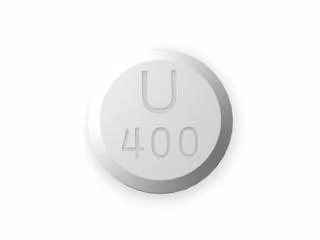
400mg
Theophylline modified-release capsules for asthma and COPD. The slow release keeps a steady level in the blood throughout the day.
400mg
Theophylline tablets for asthma and COPD. It releases slowly over many hours, so it is not a rescue inhaler.
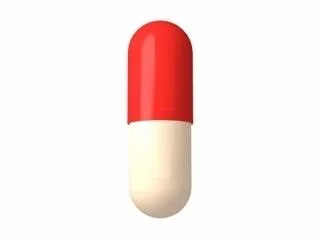
200mg
Theophylline modified-release capsules for asthma and COPD. Because the body absorbs it differently from person to person, the dose is monitored with a blood test.
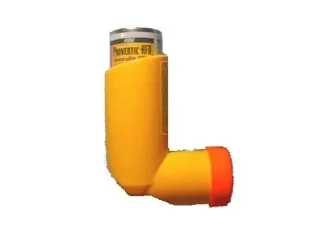
100mcg
A salbutamol inhaler for asthma and COPD. The medicine works within minutes to ease breathing during an attack.
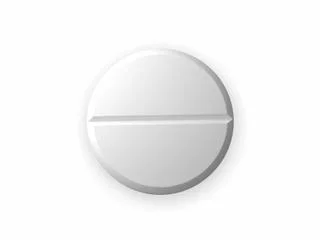
500mg
Roflumilast tablets for severe COPD. It reduces inflammation in the airways by blocking an enzyme involved in lung swelling.
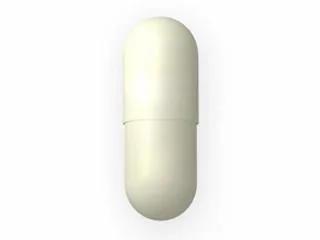
200mcg
A beclometasone inhaler for asthma. It reduces inflammation directly in the airways and is used as a long-term controller.
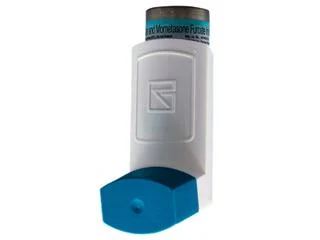
6/200mcg
A mometasone and formoterol inhaler for asthma. It contains both a steroid and a bronchodilator, so it reduces inflammation and opens the airways.
Inhalers, inhaled steroids and antifibrotics are prescription-only (POM), set and reviewed by a clinician. Pharmacies sell some allergic-rhinitis sprays and mucus-thinning remedies over the counter. Lips or fingertips turning blue, or a reliever that no longer helps breathing, is an emergency. Call 999.

22 Sept 2026 ⋅ 8 min read
How many blue inhalers you got through last year is the most useful number in your asthma care, and there is a threshold above which UK guidance says you need an urgent review. Why the reliever is a measurement, not a treatment.
Read guide