
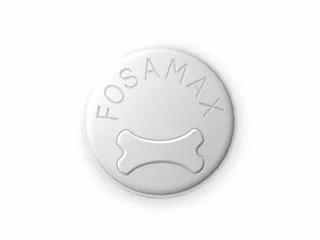
Fosamax
35 · 70mg
Alendronic acid tablets for osteoporosis. It is a bisphosphonate that is absorbed best with plain water and an upright posture.
 Bone Health Medications
Bone is living tissue that constantly breaks down and rebuilds. This category covers medicines that slow that breakdown, supply calcium and vitamin D, or steer hormones, treating thin bones and mineral imbalance.
These medicines treat osteoporosis, osteomalacia, osteodystrophy, rickets, hypoparathyroidism, hyperparathyroidism, hypocalcaemia and calcium deficiency.
35 · 70mg
Alendronic acid tablets for osteoporosis. It is a bisphosphonate that is absorbed best with plain water and an upright posture.

60mg
Raloxifene tablets for osteoporosis. It acts like oestrogen on bones to strengthen them, but does not affect other tissues the same way.
0.25 · 0.5mcg
Alfacalcidol capsules for rickets and osteomalacia. It is a form of vitamin D that the liver converts into its active form.
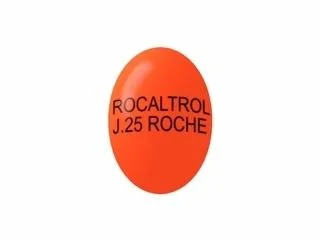
0.25mg
Calcitriol capsules for renal osteodystrophy and low calcium. It is the active form of vitamin D, so the body can use it directly without needing to convert it.
667mg
Calcium acetate tablets for high phosphate levels. It binds to phosphate from food in the gut, stopping it from being absorbed.
500mg
Calcium carbonate tablets for calcium deficiency and bone health. It relies on stomach acid to be absorbed, unlike some other calcium supplements.
0.25mcg
Alfacalcidol capsules for osteomalacia and high parathyroid hormone. It is a man-made form of vitamin D that the body converts to its active form.
The picture is mixed. Bisphosphonates, vitamin D analogues such as alfacalcidol, and raloxifene are prescription-only (POM), guided by bone scans and blood tests. Plain calcium and standard vitamin D sell freely over the counter as supplements, and pharmacists supply higher-strength versions for diagnosed deficiency.

4 Aug 2026 ⋅ 9 min read
About half of people who break a hip had already broken a bone. The first fracture was the warning, and in England the service built to act on it reaches about a third of the people it should.
Read guide