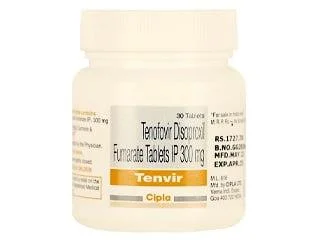
Triumeq
Abacavir, Dolutegravir, Lamivudine
600/50/300mg
A combination tablet containing abacavir, dolutegravir, and lamivudine for HIV. Three antiretroviral agents target different stages of the virus in one tablet.
 HIV Management Medications
Antiretrovirals keep HIV in check by blocking the virus at different stages of its life cycle. Combined into one regimen, they push the viral load to undetectable. This category also covers drugs used to prevent infection.
These medicines treat HIV infection, provide pre-exposure prophylaxis, and some also act against chronic hepatitis B and chronic hepatitis C.
Abacavir, Dolutegravir, Lamivudine
600/50/300mg
A combination tablet containing abacavir, dolutegravir, and lamivudine for HIV. Three antiretroviral agents target different stages of the virus in one tablet.
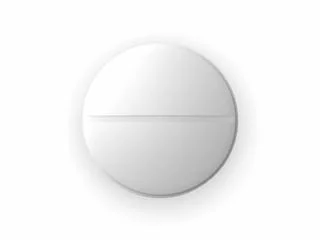
50mg
Dolutegravir tablets for HIV infection. It is an integrase inhibitor that stops the virus from inserting its genetic material into human cells.
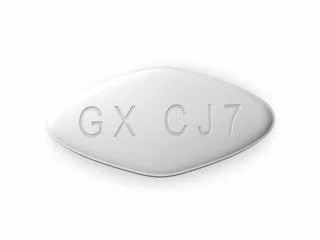
150mg
Lamivudine tablets for HIV and hepatitis B. It targets a similar enzyme in both viruses, which is why it is used for both conditions.

300/200mg
Tenofovir and emtricitabine tablets for HIV and pre-exposure prophylaxis. Two antiretrovirals in one tablet, which is why it covers both treatment and prevention.

400mg
Raltegravir tablets for HIV infection. It blocks an enzyme the virus needs to copy itself, and it is usually taken alongside other HIV medicines.
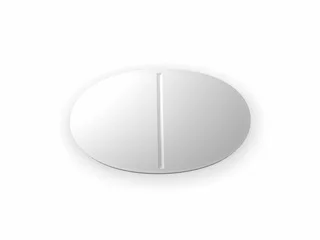
200mg
Nevirapine tablets for HIV infection. It is a non-nucleoside reverse transcriptase inhibitor that binds directly to the enzyme.
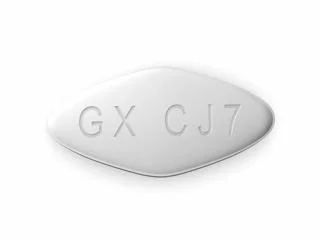
100mg
Lamivudine tablets for chronic hepatitis B. It is a nucleoside analogue that stops the hepatitis B virus from copying itself.
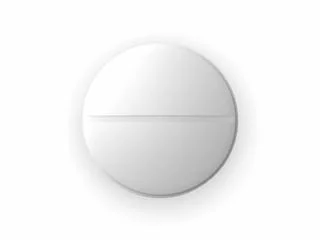
Dolutegravir, Lamivudine, Tenofovir
50/300/300mg
A dolutegravir and lamivudine tablet for HIV. It combines two different types of HIV medicine in one tablet, which simplifies the daily routine.
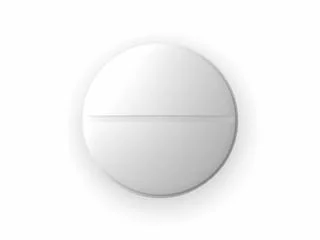
400mg
Raltegravir tablets for HIV infection. It blocks a specific enzyme the virus needs to copy itself, which helps keep the virus at bay.
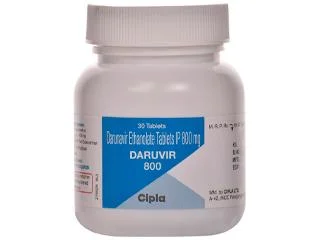
600 · 800mg
Darunavir tablets for HIV infection. It blocks an enzyme the virus needs to make new copies of itself, stopping the infection from progressing.
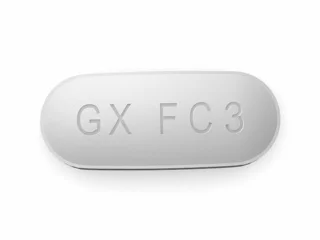
300/150mg
A lamivudine and zidovudine tablet for HIV. Two antivirals together stop the virus from copying itself.
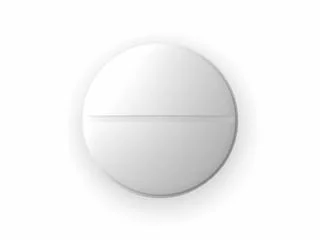
400mg
Didanosine capsules for HIV infection. It is a nucleoside analogue that stops the virus from copying itself inside the body.
Every antiretroviral here is prescription-only (POM), started and monitored by specialist HIV clinics with regular blood tests. NHS HIV treatment is free regardless of immigration status. PrEP is available free through sexual-health clinics. No HIV medicine is sold over the counter.

23 Sept 2026 ⋅ 8 min read
The HIV test before you start PrEP is not gatekeeping. Starting it with an undiagnosed infection can breed resistance and narrow your future treatment options, which is the strongest argument against sourcing it yourself.
Read guide