
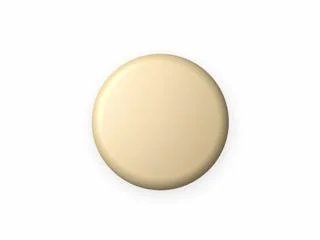
Neomercazole
5 · 10mg
Carbimazole tablets for hyperthyroidism. It reduces the production of thyroid hormones, which is why the full effect takes time.
 Thyroid Health Medications
Thyroid health medicines correct a gland that runs too slow or too fast. This category splits into two: hormone replacements for an underactive thyroid, and drugs that curb hormone production in an overactive one.
These medicines treat hypothyroidism, hyperthyroidism and thyroid-stimulating hormone suppression.
5 · 10mg
Carbimazole tablets for hyperthyroidism. It reduces the production of thyroid hormones, which is why the full effect takes time.
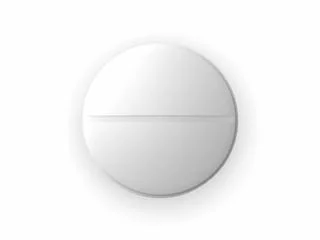
5 · 10mg
Thiamazole tablets for an overactive thyroid. It reduces the production of thyroid hormones, but it may take several weeks before the full effect is felt.
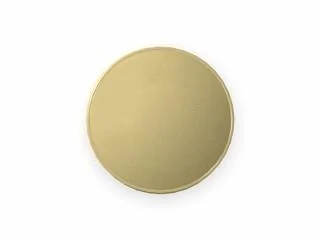
20mcg
Liothyronine tablets for an underactive thyroid. It acts directly on the body's cells to support metabolism, unlike slower thyroid treatments.
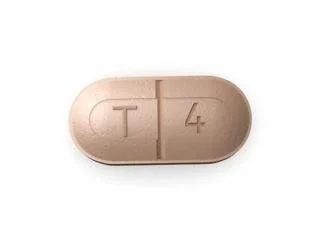
25 · 50mcg
Levothyroxine tablets for an underactive thyroid. It replaces the thyroid hormone the body is no longer making enough of on its own.
Every medicine here is prescription-only (POM). A GP confirms the diagnosis with blood tests, then sets the dose against repeat thyroid levels until they settle. Doses often need fine-tuning over months. Carbimazole carries a rare risk of suppressed white cells, so a sudden sore throat or fever during treatment needs prompt advice. Call 111.

23 Sept 2026 ⋅ 8 min read
The hardest part of thyroid treatment is the gap between normal blood results and still feeling awful. What else causes those symptoms, why T3 became restricted after a pricing scandal, and why self-sourcing it removes the safety net.
Read guide
22 Sept 2026 ⋅ 8 min read
One mechanism explains why the pill, HRT and pregnancy all change how much levothyroxine you need. In pregnancy the requirement rises early, which is why the plan has to exist before the positive test rather than after the booking appointment.
Read guide