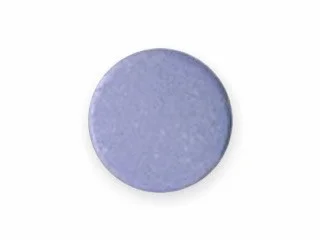
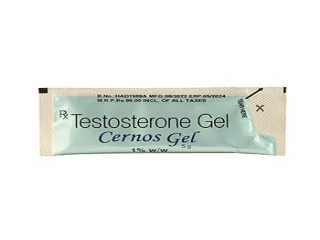
Androgel
1%
A testosterone gel for hypogonadism. It is absorbed through the skin, so it bypasses the digestive system entirely.
 Hormone Therapy Medications
Hormone therapy replaces or corrects hormones the body cannot make in the right amount. This category covers treatments for testosterone deficiency, adrenal and pituitary disorders, and water-balance problems. Each one targets a specific endocrine gland or signal.
These medicines treat hypogonadism, adrenal insufficiency, diabetes insipidus, hyperprolactinaemia, hyponatraemia and bedwetting.
1%
A testosterone gel for hypogonadism. It is absorbed through the skin, so it bypasses the digestive system entirely.
100mcg
Fludrocortisone tablets for adrenal insufficiency. It replaces a hormone the body is not making enough of, helping to maintain blood pressure.
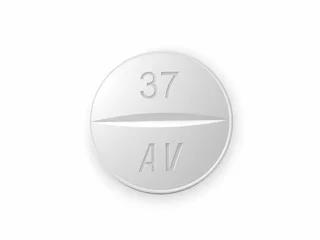
200mcg
Desmopressin tablets for diabetes insipidus and bedwetting. It replaces a natural hormone that controls water balance in the body.
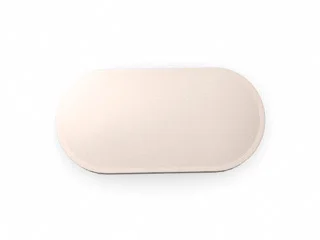
50mg
Enclomiphene tablets for low testosterone. Unlike testosterone replacement, it encourages the body to produce its own testosterone.
Every medicine here is prescription-only (POM). An endocrinologist or GP confirms the deficiency with blood tests before starting, then adjusts the dose against repeat levels. Replacing a hormone needs the right amount: too much or too little causes problems, so monitoring continues throughout treatment.
22 Sept 2026 ⋅ 9 min read
Taking testosterone switches off your own production and your sperm production, and neither is a side effect. Why that makes starting close to a one-way decision, how proper testing works, and what good private care looks like.
Read guide
10 Jul 2026 ⋅ 8 min read
Suppression is the predictable part. Recovery is the part that varies, and no protocol copied from a forum can know which kind you are. A blood test can, and it is the thing the protocol culture is substituting for.
Read guide