

Motilium
10mg
Domperidone tablets for nausea and vomiting. It works on the gut rather than the brain, so it is less likely to cause drowsiness.
 Digestive Health Medications
Digestive health medicines settle the gut, from acid reflux and ulcers to nausea and inflammatory bowel disease. This category covers acid suppressants, anti-sickness drugs and treatments that calm bowel inflammation or protect the gut lining.
These medicines treat gastro-oesophageal reflux disease, peptic ulcer disease, nausea, vomiting, ulcerative colitis and Crohn’s disease.
10mg
Domperidone tablets for nausea and vomiting. It works on the gut rather than the brain, so it is less likely to cause drowsiness.

4 · 8mg
Ondansetron tablets for nausea and vomiting. It works by blocking a chemical signal in the brain that triggers the feeling of sickness.
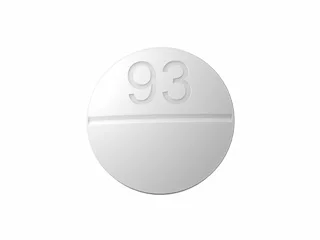
10mg
Metoclopramide tablets for nausea and vomiting. It helps the stomach empty faster, which can ease feelings of sickness.

10mg
Metoclopramide tablets for nausea and vomiting. It also helps the stomach empty faster, which is why it is used for gastroparesis.

400mg
Mesalazine tablets for ulcerative colitis. The gastro-resistant coating means the tablet passes through the stomach and only breaks down in the intestines.

100 · 200mcg
Misoprostol tablets for stomach and duodenal ulcers. It is a prostaglandin that protects the stomach lining, often given alongside certain painkillers.

150 · 300mg
Ursodeoxycholic acid tablets for primary biliary cholangitis and gallstone dissolution. It is a bile acid that already occurs naturally in the body.

500mg
Sulfasalazine tablets for rheumatoid arthritis and ulcerative colitis. It combines two medicines in one tablet, working on both joint and bowel inflammation.

400mg
Mesalazine prolonged-release tablets for colitis and Crohn's disease. It acts directly in the gut, working locally rather than throughout the body.

8 · 16 · 24mg
Betahistine tablets for Meniere's disease and vertigo. It increases blood flow in the inner ear to reduce dizziness and nausea.

30 · 60mg
Dexlansoprazole modified-release capsules for reflux and oesophagitis. The two-layer release design provides longer-lasting acid suppression than standard capsules.

20/500mg
A dicyclomine and paracetamol tablet for abdominal pain. It relaxes the gut muscles while the paracetamol eases the discomfort.

150mg
Pancrelipase capsules for pancreatic insufficiency. They replace the enzymes the pancreas can no longer make on its own.

15 · 30mg
Lansoprazole capsules for acid reflux and stomach ulcers. It reduces acid by blocking the pump in stomach cells.

10 · 20mg
Rabeprazole tablets for acid reflux and stomach ulcers. It reduces the amount of acid the stomach produces.

5mg
Prochlorperazine tablets for nausea and vomiting. It works on the brain's vomiting centre rather than the stomach.
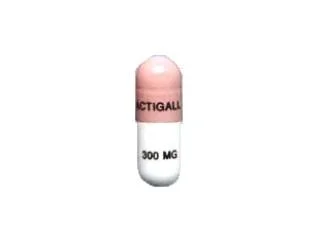
300mg
Ursodeoxycholic acid capsules for gallstones and biliary cirrhosis. It helps dissolve cholesterol-based stones by reducing cholesterol in the bile.
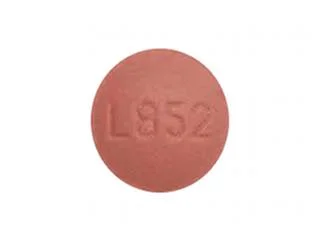
150 · 300mg
Ranitidine tablets for acid reflux and stomach ulcers. It blocks histamine to reduce acid, working differently from proton pump inhibitors.

2mg
Prucalopride tablets for chronic constipation. It targets the colon specifically to stimulate bowel movements.
Mixed. Low-dose antacids and some short-course reflux remedies sell over the counter or as Pharmacy (P) medicines, but stronger PPIs, anti-sickness drugs and IBD treatments are prescription-only (POM). Persistent vomiting, black stools or vomiting blood needs urgent help. Call 111, or 999 for heavy bleeding.

23 Sept 2026 ⋅ 8 min read
Gut symptoms can have many causes. Learn how medicines may contribute to bloating, diarrhoea, constipation and vitamin B12 deficiency, and how a pharmacist or GP can review them.
Read guide
22 Sept 2026 ⋅ 8 min read
Stopping a PPI produces a surge of acid above where you started, so the symptoms that follow feel like proof you need it. Healthy volunteers with no reflux have developed reflux this way. What that means for coming off, and the red flags that outrank all of it.
Read guide