
 Oncology Support Medications
These medicines treat cancer by starving tumours of hormones, killing dividing cells, or blocking the signals that drive growth. The category spans daily hormone tablets, oral chemotherapy, and targeted agents for specific cancers.
These medicines treat breast cancer, prostate cancer, colorectal cancer, ovarian cancer, renal cell carcinoma, multiple myeloma, chronic myeloid leukaemia and chronic lymphocytic leukaemia.
Key points
- Three broad strategies are used against cancer: cutting off the hormones a tumour needs, poisoning fast-dividing cells, or blocking a specific growth signal.
- Hormone-based options tend to come as daily tablets for hormone-sensitive cancers, while chemotherapy and targeted agents are matched to the particular cancer type.
- A new fever during treatment can signal a drop in infection-fighting white blood cells, which needs urgent medical attention rather than waiting it out.
Medicines in the Oncology Support category
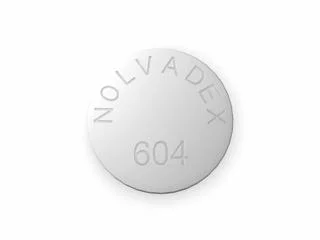
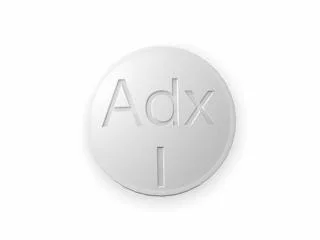
Arimidex
1mg
Anastrozole tablets for breast cancer. It works by stopping the body from making oestrogen, which is different from tamoxifen that blocks oestrogen receptors.

Armotraz
1mg
Anastrozole tablets for breast cancer as adjuvant therapy. It stops the body from making oestrogen, which is different from medicines that block oestrogen receptors.

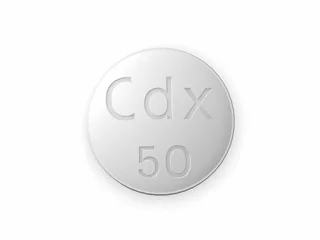
Casodex
50mg
Bicalutamide tablets for advanced prostate cancer. It blocks male hormones rather than removing them, so it is a non-surgical option.

Methotrexate Tablets
2.5mg
Methotrexate tablets for rheumatoid arthritis and psoriasis. It works on both the joints and the skin.

Leukeran
2 · 5mg
Chlorambucil tablets for leukaemia and lymphoma. It is a type of medicine that slows the growth of abnormal cells by interfering with their DNA.
Cytoxan
50mg
Cyclophosphamide tablets for lymphoma and myeloma. It is a chemotherapy agent that stops cancer cells from dividing by cross-linking their DNA.

Hydrea
500mg
Hydroxycarbamide capsules for chronic myeloid leukaemia and polycythaemia vera. It slows the production of abnormal blood cells by interfering with DNA.


Capnat
500mg
Capecitabine tablets for bowel and breast cancer. The body converts it into its active form inside the tumour.
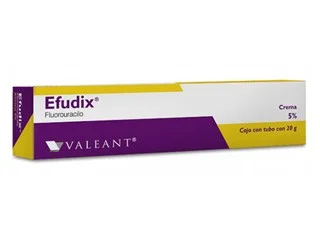
Efudex
1 · 5%
Fluorouracil cream for actinic keratosis and basal cell carcinoma. It is a chemotherapy cream applied to the skin, rather than taken as a tablet.
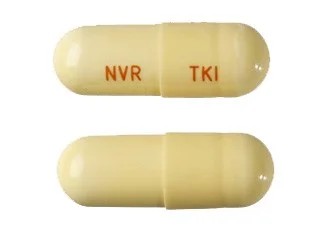


Abiraterone Tablets
250mg
Abiraterone tablets for prostate cancer. It blocks an enzyme the prostate tumour needs to make testosterone.

Aromasin
25mg
Exemestane tablets for breast cancer. It is a steroidal aromatase inactivator, which permanently disables the enzyme rather than just blocking it.

Thalix
50 · 100mg
Thalidomide capsules for multiple myeloma. It is only available under strict controls because of its known risks during pregnancy.


Lenalidomide Capsules
10mg
Lenalidomide capsules for multiple myeloma and certain blood disorders. It works by helping the immune system recognise and attack abnormal cells.


Afinitor
5 · 10mg
Everolimus tablets for kidney and breast cancer. It slows tumour growth by blocking a protein that tells cancer cells to multiply.
What’s in this category
- Hormone therapies such as tamoxifen and anastrozole for breast cancer, and bicalutamide for prostate cancer.
- Chemotherapy agents such as capecitabine, fluorouracil, cyclophosphamide and chlorambucil damage rapidly dividing cells.
- Targeted therapies such as dasatinib block the faulty signals behind chronic myeloid leukaemia.
UK status
Every cancer medicine here is prescription-only (POM), prescribed by an oncology team and dispensed through hospital or homecare pharmacies with close monitoring. None is sold over the counter. New or worsening fever during treatment can signal neutropenic sepsis. Call 111 or your chemotherapy hotline, or 999 if you feel very unwell.
Further reading
Related articles

23 Sept 2026 ⋅ 9 min read
1 in 4: Why Prostate Risk Is Different for Black Men in the UK
Black men in the UK have double the prostate cancer risk and it starts earlier. In 2026 the country decided not to screen them, then funded the largest screening trial in decades to find out how it should be done.
Read guide
10 Aug 2026 ⋅ 9 min read
The PSA Test Nobody Will Offer You: How Prostate Testing Actually Works in the UK
The UK is getting its first prostate screening programme in 2027, and almost nobody qualifies for it. For everyone else the test is free, available and entirely dependent on you raising it first.
Read guide