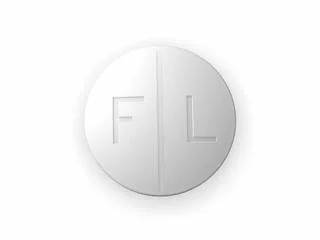
Lexapro
5 · 10 · 20mg
Escitalopram tablets for depression and generalised anxiety. It selectively targets the brain's serotonin system, leaving other chemicals mostly untouched.
 Antidepressants Medications
Antidepressants adjust brain chemicals such as serotonin and noradrenaline. This category covers the main classes used for depression, anxiety, and some pain and addiction conditions, from modern SSRIs to older tricyclics.
These medicines treat major depressive disorder, obsessive-compulsive disorder, generalised anxiety disorder, panic disorder, bulimia nervosa, neuropathic pain, diabetic peripheral neuropathic pain and tobacco dependence.
5 · 10 · 20mg
Escitalopram tablets for depression and generalised anxiety. It selectively targets the brain's serotonin system, leaving other chemicals mostly untouched.
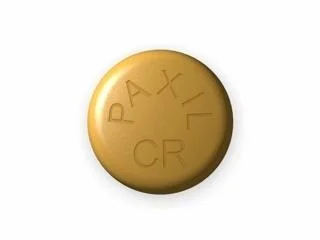
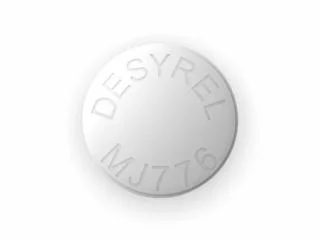
10 · 20 · 30 · 40mg
Paroxetine tablets for depression and generalised anxiety. It is an SSRI that specifically targets serotonin reuptake in the brain.
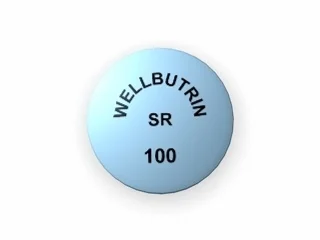
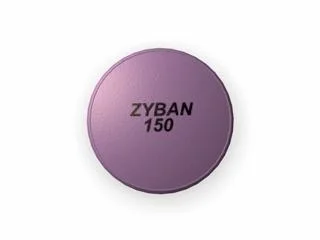
150mg
Bupropion tablets for quitting smoking and depression. It works on dopamine and noradrenaline, not serotonin, which is why it is unlike most antidepressants.
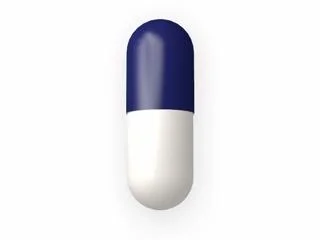
20 · 30 · 40 · 60mg
Duloxetine capsules for depression and anxiety. It increases both serotonin and noradrenaline in the brain.
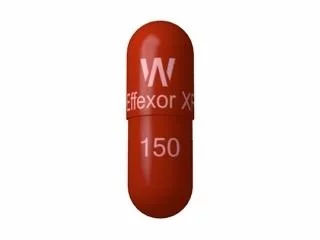
37.5 · 75mg
Venlafaxine tablets for depression and anxiety. It affects both serotonin and noradrenaline, which is why it is used when other treatments have not been enough.
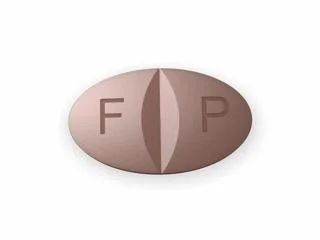
10 · 20mg
Citalopram tablets for depression. It increases serotonin levels in the brain and tends to cause less drowsiness than older antidepressants.
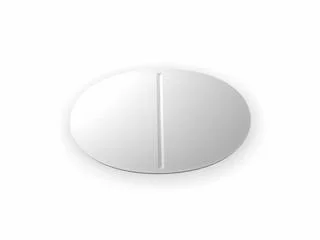
5 · 10 · 20mg
Vortioxetine tablets for major depression. It is a multimodal antidepressant that works on several serotonin pathways, not just one.
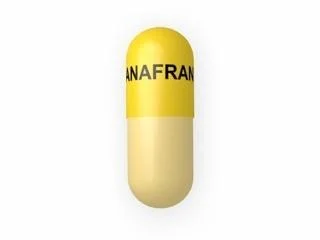
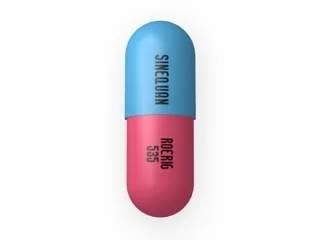
10 · 25 · 50mg
Clomipramine tablets for OCD and depression. It is an older antidepressant, so it tends to have more side effects than newer ones.
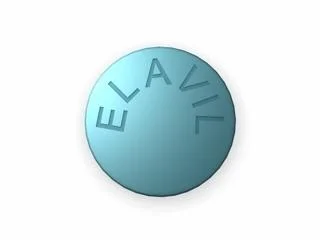
10 · 25 · 50mg
Amitriptyline tablets for depression and nerve pain. It was originally developed as an antidepressant but also affects how pain signals are processed.
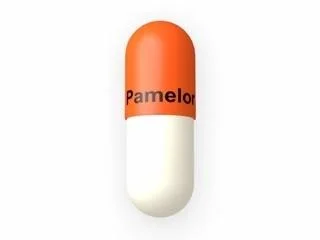
25mg
Nortriptyline capsules for depression. It is an older type of antidepressant that works on noradrenaline, rather than serotonin.
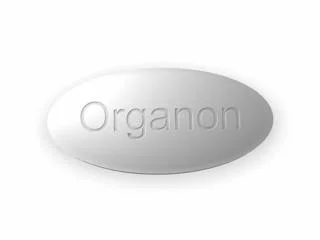
7.5 · 15 · 30mg
Mirtazapine tablets for major depression. Unlike most antidepressants, it can increase appetite and lead to weight gain.
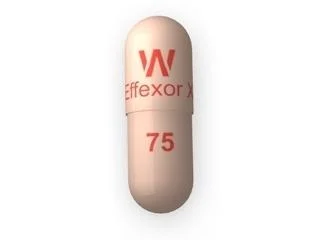
75mg
Venlafaxine tablets for depression and anxiety. It affects two brain chemicals at once, which is why it is classed as an SNRI.
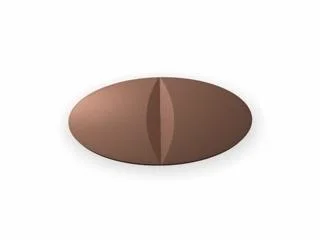
50 · 100mg
Fluvoxamine tablets for OCD and depression. It works by increasing serotonin levels in the brain, which can take several weeks to have an effect.
150 · 300mg
Bupropion modified-release tablets for depression and quitting smoking. Unlike many antidepressants, it does not affect serotonin.
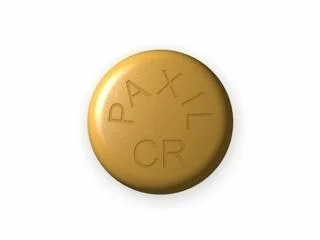
12.5 · 25 · 37.5mg
Paroxetine prolonged-release tablets for depression and OCD. The slow release means the medicine stays active in the body for longer.
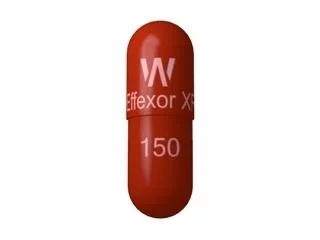
75 · 150mg
Venlafaxine prolonged-release capsules for depression and anxiety. The capsule shell may appear intact in the stool, which is normal.
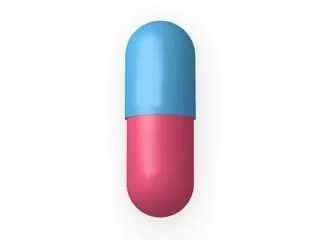
20mg
Fluoxetine capsules for depression and obsessive-compulsive disorder. It can affect sleep, so the morning dose is preferred.
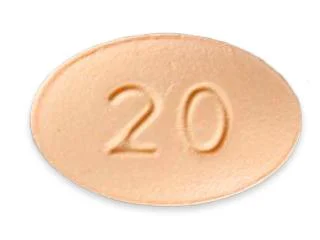
20 · 40mg
Vilazodone tablets for major depression. It works on serotonin and also partially activates a brain receptor, which is different from most antidepressants.
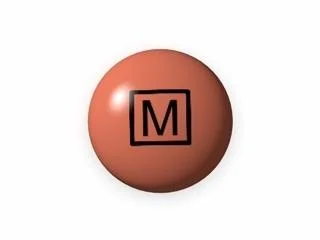
25 · 50 · 75mg
Imipramine tablets for depression and bedwetting. It keeps more of the brain's natural chemicals available, which is why it can take weeks to feel the full effect.
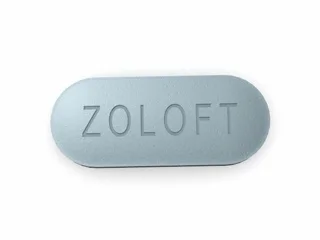
25 · 50 · 100mg
Sertraline tablets for depression and OCD. It works on serotonin, a brain chemical involved in mood, which is why it can take several weeks to build up.
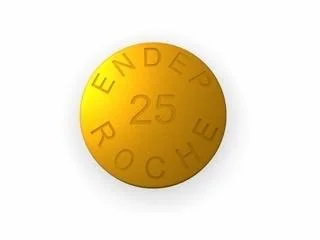
10 · 25 · 50 · 75mg
Amitriptyline tablets for depression and nerve pain. It belongs to an older class of antidepressants called tricyclics, and that is why it is still used today.
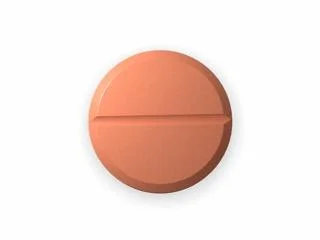
25mg
Milnacipran tablets for fibromyalgia. It is an SNRI, which means it affects two brain chemicals involved in pain signalling and mood.
Antidepressants are grouped by the chemicals they target:
Every antidepressant here is prescription-only (POM). A clinician starts, reviews and stops treatment, since the right choice and dose depend on the person and the condition. None sell over the counter. Stopping abruptly can trigger withdrawal effects, so changes are planned and tapered. New thoughts of self-harm after starting a dose need urgent help. Call 111, or 999 in a crisis.

3 Aug 2026 ⋅ 8 min read
Most people who try to come off antidepressants and conclude they cannot were reading withdrawal as relapse. Why the difference decides everything, why the last steps are the hardest, and how to plan it with your GP.
Read guide