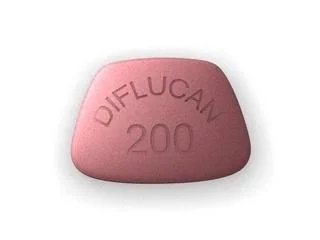
Diflucan
50 · 100 · 150 · 200mg
Fluconazole capsules for thrush and candidiasis. It stops fungi from building their cell walls, which is why it can treat a range of fungal infections.
 Antifungals Medications
Antifungals clear infections caused by yeasts and dermatophyte moulds, from athlete’s foot and ringworm to thrush and thickened toenails. This category covers topical creams and pessaries, medicated shampoos, and oral tablets for stubborn or widespread infection.
These medicines treat tinea pedis, tinea corporis, tinea cruris, tinea capitis, dermatophytosis, candidiasis, vaginal candidiasis and onychomycosis.
50 · 100 · 150 · 200mg
Fluconazole capsules for thrush and candidiasis. It stops fungi from building their cell walls, which is why it can treat a range of fungal infections.
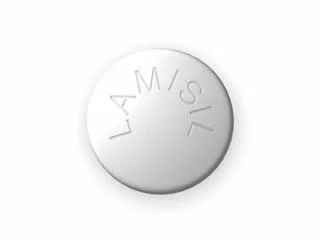
250mg
Terbinafine tablets for fungal infections of the skin and nails. It targets the fungus directly, so a full course of treatment is usually needed.
200mg
Ketoconazole tablets for Cushing's syndrome and severe fungal infections. It blocks the body's cortisol production as well as fighting fungi.
250mg
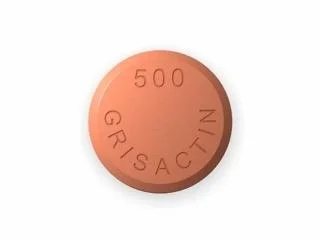
Griseofulvin tablets for fungal skin infections. It is stored in the keratin of your skin and nails, which means it continues working even after you stop taking it.
100mg
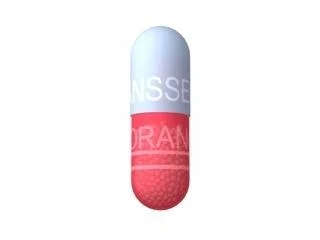
Itraconazole hard capsules for fungal infections. It works by targeting a specific enzyme the fungus needs to build its cell walls, leaving human cells unharmed.
250mg
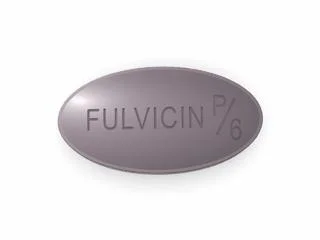
Griseofulvin tablets for ringworm and nail fungus. It is an antifungal that builds up in the skin and nails over time, so results take weeks to appear.
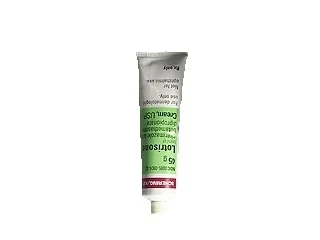
10g
A betamethasone and clotrimazole cream for fungal skin infections. It combines an antifungal with a steroid to treat both the infection and the swelling.
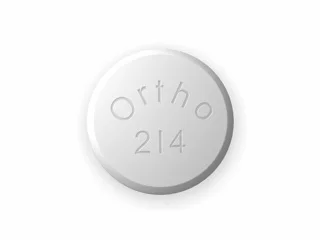
250mg
Griseofulvin tablets for scalp and body ringworm infections. It can take several weeks to clear the infection because it works slowly on the hair and skin.
250mg
Griseofulvin tablets for fungal skin infections like tinea and athlete's foot. It absorbs better alongside fatty food, so a meal helps it work.
200mg
Voriconazole tablets for invasive aspergillosis and candidemia. It is often used when other antifungal treatments have not worked.
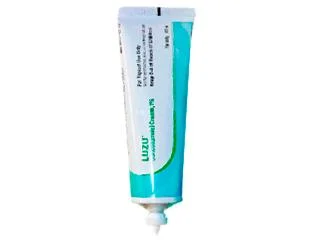
30g
Luliconazole cream for athlete's foot. It also treats jock itch, which is a similar fungal infection in a different area.
600mg
Fenticonazole pessary for thrush. It is inserted rather than swallowed, so it treats the infection locally.
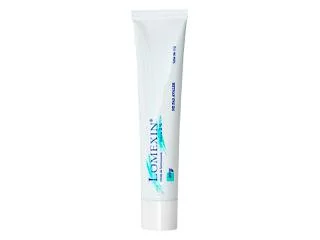
30g
Fenticonazole cream for thrush. The cream is for external use, unlike the pessary form which is inserted.
Many topical antifungals sell over the counter as Pharmacy (P) or general-sale items, including clotrimazole and terbinafine creams and a single fluconazole capsule for thrush. Oral courses for nail or scalp infection, and steroid-combined creams, stay prescription-only (POM) because they need monitoring and a confirmed diagnosis.

22 Sept 2026 ⋅ 8 min read
The damaged nail never recovers, so watching it tells you nothing. The only evidence treatment is working is clear new nail at the base, and a toenail takes most of a year to grow out.
Read guide