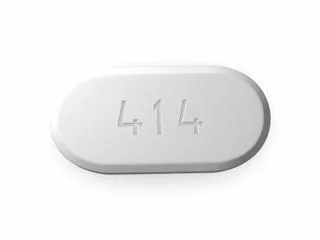
Lipitor
10 · 20 · 40mg
Atorvastatin tablets for high cholesterol and preventing cardiovascular disease. It is a strong statin, so lower doses can achieve what larger ones do elsewhere.
 Cholesterol Management Medications
These medicines lower harmful blood fats to cut the long-term risk of heart attack and stroke. This category centres on statins, the cornerstone treatment, alongside add-on drugs for people who need extra reduction or cannot tolerate a statin.
These medicines treat hypercholesterolaemia, primary hypercholesterolaemia, hypertriglyceridaemia, mixed dyslipidaemia, dyslipidaemia and support cardiovascular disease prevention and cardiovascular risk reduction.
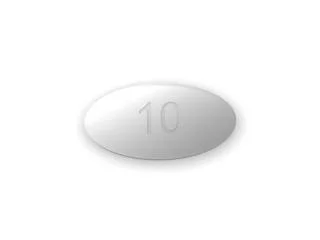
10 · 20 · 40mg
Atorvastatin tablets for high cholesterol and preventing cardiovascular disease. It is a strong statin, so lower doses can achieve what larger ones do elsewhere.
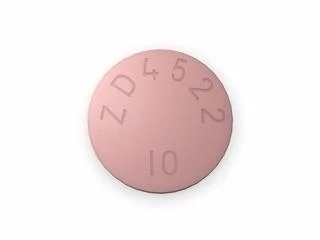
5 · 10 · 20mg
Rosuvastatin tablets for high cholesterol and cardiovascular risk. It is one of the stronger statins, so lower doses can achieve what larger doses do elsewhere.
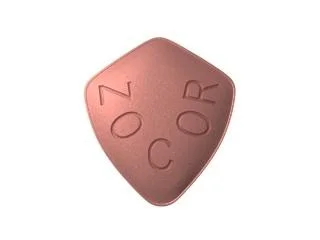
5 · 10 · 20 · 40mg
Simvastatin tablets for high cholesterol and coronary heart disease. It is one of the older statins and is a common starting treatment.

1 · 2 · 4mg
Pitavastatin tablets for high cholesterol. It works by blocking the same enzyme as other statins but is processed by the body in a different way.
180mg
Bempedoic acid tablets for high cholesterol. It works on a different step in cholesterol production than statins do.
10/10mg
A rosuvastatin and ezetimibe tablet for high cholesterol. It targets two different cholesterol-lowering pathways at once.

4g
Colestyramine powder for high cholesterol and itching. It works by binding bile acids in the gut, which lowers cholesterol levels.
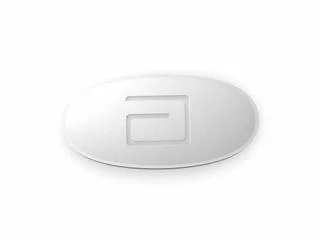
160 · 200mg
Fenofibrate tablets for high triglycerides. It works differently from statins, targeting fat breakdown rather than cholesterol production.
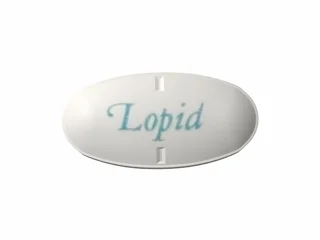
300mg
Gemfibrozil tablets for high triglycerides. It lowers triglycerides rather than cholesterol, which is what statins do.
Almost every lipid-lowering medicine here is prescription-only (POM), started after a blood test and cardiovascular risk assessment. The one exception is low-dose simvastatin 10mg, sold as a Pharmacy (P) medicine for adults at moderate risk after a pharmacist check.

22 Sept 2026 ⋅ 8 min read
You cannot buy a statin over the counter here, and the free NHS route is better anyway. On the aches: a trial gave people their own statin, a placebo and nothing at all, and 90% of the symptom burden turned up on the placebo too.
Read guide