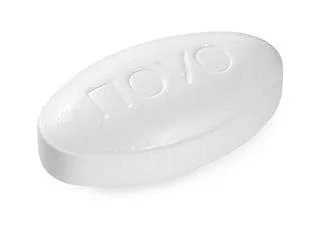
Rybelsus
3 · 7 · 14mg
Semaglutide tablets for type 2 diabetes. It mimics a natural gut hormone that signals the pancreas to release insulin only when blood sugar is high.
 Weight Management Medications
Weight management medicines support obesity treatment by curbing appetite or blocking fat absorption. This category covers GLP-1 receptor agonists, the lipase inhibitor orlistat and appetite-acting combinations, used alongside diet and activity changes.
These medicines treat obesity, overweight with related health risks, and weight gain linked to type 2 diabetes mellitus.
3 · 7 · 14mg
Semaglutide tablets for type 2 diabetes. It mimics a natural gut hormone that signals the pancreas to release insulin only when blood sugar is high.

8/90mg
A bupropion and naltrexone tablet for obesity. It targets the brain's appetite and reward centres together.

40 · 60mcg
Clenbuterol tablets, a beta-2 agonist that relaxes the airways and raises metabolic rate. Best known in the UK for misuse in weight loss and bodybuilding.
Most are prescription-only (POM), supplied through GPs or specialist weight-management services after a BMI assessment. Lower-strength orlistat sells over the counter as a Pharmacy (P) medicine. GLP-1 injections such as semaglutide require a prescription and ongoing clinical review.

23 Sept 2026 ⋅ 9 min read
After the first months the scale often stops moving. A plateau after meaningful loss is expected, but NICE sets a 6-month review point. What SELECT found about cardiovascular risk, and what the STEP 1 extension found after stopping.
Read guide
22 Sept 2026 ⋅ 8 min read
People want the tablet because it sounds easier. Oral semaglutide has absorption rules that make it fussier than a weekly pen, not simpler, and format is the least important thing about this decision anyway.
Read guide
11 Aug 2026 ⋅ 9 min read
Most people start these planning a few months. That is the one decision worth getting right first, because they treat an ongoing condition rather than running as a course. NHS and private eligibility, real costs, and why the checks are the point.
Read guide