
 Sleep Management Medications
These medicines help with insomnia, mostly for short stretches while the underlying cause is sorted. The category covers the body-clock hormone melatonin, the short-acting Z-drugs, and sedating antidepressants used off-label at bedtime.
These medicines treat insomnia, and some also support sleep in major depressive disorder.
Key points
- Z-drugs work quickly and clear the body fast to limit next-day grogginess, whereas melatonin instead mimics the body’s own night-time signal.
- A sedating antidepressant is sometimes taken at night off-label, particularly when low mood is part of what is disturbing sleep.
- These medicines are meant for short stretches only, since the NHS recommends a talking therapy for sleep before turning to tablets for lasting insomnia.
Medicines in the Sleep Management category

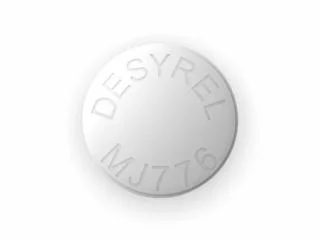



Hypnite
1 · 2 · 3mg
Eszopiclone tablets for insomnia. It helps you fall asleep faster and stay asleep longer, but it is not a long-term solution on its own.

What’s in this category
- Melatonin: melatonin mimics the hormone that signals night, useful for jet lag and for people over 55.
- Z-drugs such as eszopiclone and zaleplon act quickly to start sleep and clear fast to limit morning grogginess.
- Sedating antidepressants such as low-dose trazodone are sometimes used at night, especially when low mood disturbs sleep.
UK status
Z-drugs and trazodone are prescription-only (POM), kept short-term because of dependence and next-day drowsiness. Melatonin needs a prescription on the NHS, though licensed low-dose products sell over the counter in some other countries. For lasting insomnia, the NHS recommends sleep therapy (CBT-I) before tablets.
Further reading
Related articles

29 Jul 2026 ⋅ 8 min read
Melatonin in the UK: Why It's Prescription-Only and What Actually Helps Sleep
Melatonin is a clock signal, not a sedative, which is why people take it, feel nothing, and decide it does not work. What it is genuinely good at, why timing beats quantity, and why the UK treats it as a medicine.
Read guide
11 Jul 2026 ⋅ 8 min read
Coming Off Sleeping Pills: Z-Drugs & Benzodiazepines in the UK
These medicines are very good at removing the memory of a bad night, which is not the same as producing a good one. Why that makes stopping feel impossible, what rebound insomnia actually is, and how a safe taper works.
Read guide