
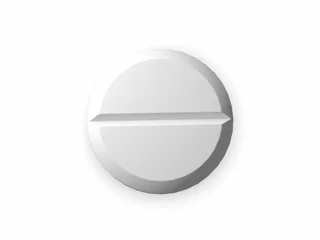
Plaquenil
200 · 400mg
Hydroxychloroquine tablets for rheumatoid arthritis and lupus. It was first developed as an anti-malaria treatment.
 Autoimmune Support Medications
Autoimmune conditions arise when the immune system attacks healthy tissue. These medicines dial that response down to control inflammation and prevent damage to joints, skin, gut and organs. This category covers disease-modifying drugs (DMARDs) and immunosuppressants.
These medicines treat rheumatoid arthritis, systemic lupus erythematosus, psoriasis, psoriatic arthritis, Crohn’s disease and transplant rejection.
200 · 400mg
Hydroxychloroquine tablets for rheumatoid arthritis and lupus. It was first developed as an anti-malaria treatment.
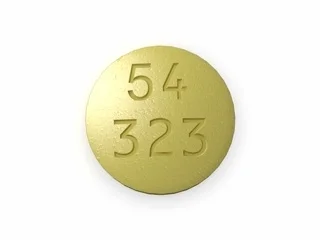
2.5mg
Methotrexate tablets for rheumatoid arthritis and psoriasis. It works on both the joints and the skin.

4mg
Baricitinib tablets for arthritis and atopic dermatitis. It works on specific immune signals rather than broadly dampening the immune system.

10 · 20mg
Leflunomide tablets for rheumatoid and psoriatic arthritis. It can take several weeks to show its full effect, so it is not a quick-relief treatment.
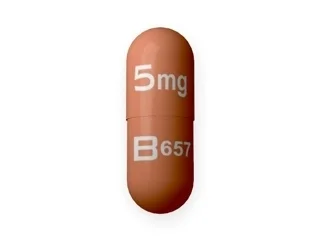
0.5 · 1 · 5mg
Tacrolimus capsules for transplant rejection. It calms the immune system so it does not attack the transplanted organ.
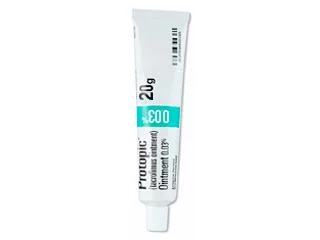
0.03 · 0.1%
Tacrolimus ointment for eczema. It calms the immune response in the skin without using steroids.
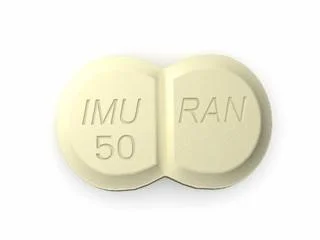
25 · 50mg
Azathioprine tablets for transplant rejection and rheumatoid arthritis. It works by slowing down the immune system, which is why regular blood checks are needed.

25 · 100mg
Ciclosporin capsules for transplant rejection and rheumatoid arthritis. It is a strong immunosuppressant that dampens the immune system to protect transplants.

0.05 · 0.1%
Ciclosporin eye drops for dry eye. It works by calming the immune response in the eye rather than simply adding moisture.

500mg
Mycophenolate tablets for preventing transplant rejection. It calms the immune system, so people on it need to watch for infections.
Every medicine here is prescription-only (POM), started and monitored by a specialist. Most need regular blood tests to watch the liver, kidneys and blood counts. Because they lower immunity, a high fever or signs of serious infection need prompt advice. Call 111.