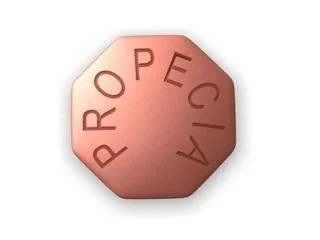
Propecia
1 · 5mg
Finasteride tablets for male pattern baldness. It blocks the conversion of testosterone into a hormone that causes hair loss.
 Men’s Health Medications
Men’s health medicines treat an enlarged prostate, male-pattern hair loss and prostate cancer. This category covers alpha-blockers that relax the bladder neck and 5-alpha reductase inhibitors that lower the hormone driving prostate growth and hair thinning.
These medicines treat benign prostatic hyperplasia, androgenetic alopecia and prostate cancer.
1 · 5mg
Finasteride tablets for male pattern baldness. It blocks the conversion of testosterone into a hormone that causes hair loss.
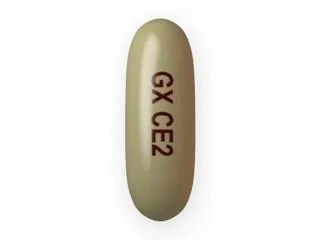
0.5mg
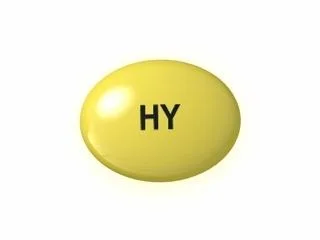
Dutasteride capsules for an enlarged prostate and hair loss. It blocks two forms of the conversion enzyme, so it is sometimes chosen over finasteride.
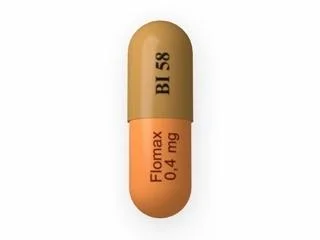
0.2 · 0.4mg
Tamsulosin capsules for an enlarged prostate. The modified-release form keeps the medicine working steadily through the day.

1mg
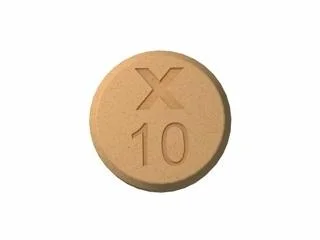
Finasteride tablets for male hair loss. It works by lowering a hormone that shrinks hair follicles, so it is not a treatment for women.

0.5mg
Dutasteride capsules for an enlarged prostate. It blocks both forms of the hormone-converting enzyme, making it stronger than some alternatives in the same class.

0.4/0.5mg
Dutasteride and tamsulosin capsules for an enlarged prostate. One ingredient shrinks the prostate while the other relaxes the muscles that control urine flow.
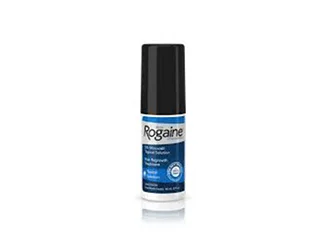
Most are prescription-only (POM). Topical minoxidil sells over the counter, and a pharmacist can supply finasteride for hair loss after consultation. New or worsening urinary symptoms warrant a prostate check, since they can overlap with more serious disease.
23 Sept 2026 ⋅ 9 min read
Black men in the UK have double the prostate cancer risk and it starts earlier. In 2026 the country decided not to screen them, then funded the largest screening trial in decades to find out how it should be done.
Read guide
10 Aug 2026 ⋅ 9 min read
The UK is getting its first prostate screening programme in 2027, and almost nobody qualifies for it. For everyone else the test is free, available and entirely dependent on you raising it first.
Read guide