

Stromectol
3 · 6 · 12mg
Ivermectin tablets for scabies and strongyloidiasis. It works by selectively targeting parasite nerve and muscle cells, leaving human cells unaffected.
 Antiparasitics Medications
Antiparasitics kill or expel parasites: worms, single-celled protozoa, and external pests such as mites. This category covers the main treatment types, from broad anthelmintics to antimalarials, and the infections they target.
These medicines treat malaria, scabies, giardiasis, schistosomiasis, strongyloidiasis, liver flukes, and the autoimmune conditions rheumatoid arthritis and systemic lupus erythematosus.
3 · 6 · 12mg
Ivermectin tablets for scabies and strongyloidiasis. It works by selectively targeting parasite nerve and muscle cells, leaving human cells unaffected.
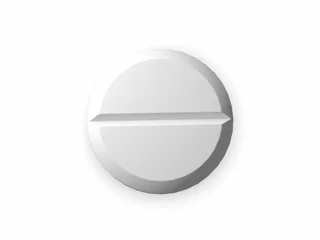
200 · 400mg
Hydroxychloroquine tablets for rheumatoid arthritis and lupus. It was first developed as an anti-malaria treatment.

400mg
Albendazole tablets for worm infections. It damages the parasites' ability to feed so they cannot survive in the gut.

250 · 500mg
Chloroquine tablets for malaria. It is also used to prevent malaria when travelling to certain regions.
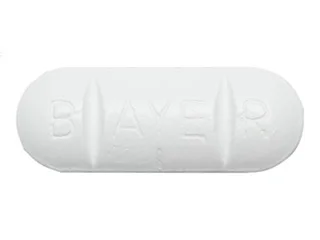
600mg
Praziquantel tablets for schistosomiasis and liver flukes. It works by making the parasite's cell membrane leaky, causing it to lose calcium and become paralysed.
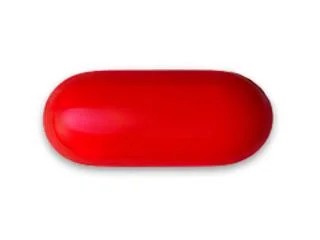
500mg
Ornidazole tablets for trichomoniasis and amoebiasis. It disrupts the DNA of anaerobic organisms, targeting the types of germs that cause these infections.
Antiparasitics are grouped by the parasite they tackle:
Most antiparasitics here are prescription-only (POM), prescribed after a confirmed diagnosis or before travel to a malaria region. A handful of threadworm and scabies treatments sell over the counter as Pharmacy (P) medicines. Suspected malaria with fever after tropical travel is an emergency. Call 111 or 999.

23 Sept 2026 ⋅ 8 min read
The itch is an allergic reaction to the mites, not the mites themselves, which is why it carries on for weeks after treatment has worked. That one fact explains most of the unnecessary re-treating and most of the panic.
Read guide