
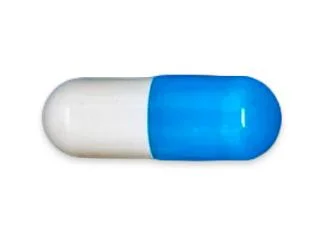
Hydrea
Hydroxycarbamide capsules for chronic myeloid leukaemia and polycythaemia vera. It slows the production of abnormal blood cells by interfering with DNA.
- Category
- Oncology Support
- Active ingredient
- Hydroxycarbamide
- Supply
- POM
- Route
- Oral use
- Form
- Capsule, hard
- Strengths
- 500mg
Hydrea details
- Conditions
- Chronic Myeloid Leukaemia · Polycythaemia Vera · Essential Thrombocythaemia · Sickle Cell Anaemia
- Alternative names
- Hydroxycarbamide
- Registration status
- Registered for use in the UK
- Therapeutic class
- Antineoplastic Agent
- Pharmacological class
- Antimetabolite
- Contraindications
- severe bone marrow suppression; hypersensitivity
- Minor side effects
- nausea; fatigue; diarrhoea
- Moderate side effects
- leukopenia; stomatitis; skin ulceration
- Dosage forms
- Capsule, hard
- Administration route
- Oral use
- Prescription status
- Prescription-only medicine (POM)
- Originator
- BMS
- Onset Time
- 1–2 weeks
- Duration
- long-term
- Storage instructions
- Store in a cool, dry place.
- Drug interactions
- Didanosine; Stavudine
- Age restrictions
- Use in children managed by specialists.
Precautions and warnings
regular blood monitoring required; protect skin from sun exposure; maintain high fluid intake
Serious side effects
bone marrow failure, requires immediate medical attention; secondary malignancy, requires immediate medical attention
Patient summary
Hydroxycarbamide capsules for chronic myeloid leukaemia and polycythaemia vera. It slows the production of abnormal blood cells by interfering with DNA.
Mechanism of action
It works by inhibiting the enzyme ribonucleotide reductase, which is essential for DNA synthesis, effectively slowing the rapid production of abnormal white blood cells or red cells.
Pregnancy and breastfeeding
Pregnancy: Contraindicated; causes fetal harm. Breastfeeding: Contraindicated; do not breastfeed during treatment.
Registered for use in the UK
- United Kingdom
Hydrea editorial notes
Hydrea is a UK-licensed capsule, hard containing Hydroxycarbamide, a prescription-only medicine (POM).
Is Hydrea available in the UK?
Yes, on prescription. Hydroxycarbamide is prescription-only in the UK, so it is supplied against a prescription after an assessment by a prescriber. How to check an online pharmacy is legitimate.
Hydrea vs the generic
The active ingredient is the same as in generic Hydroxycarbamide, which usually costs less and is what the NHS dispenses. See Hydroxycarbamide.
Common questions
Can you buy Hydrea over the counter in the UK? No, it is prescription-only.
Is there a cheaper version? Generic Hydroxycarbamide is the same active ingredient, usually for less.
What is Hydrea used for? It is listed for chronic myeloid leukaemia, polycythaemia vera, essential thrombocythaemia and sickle cell anaemia.
Where to Check Availability
OK Healthy doesn't sell or supply medicines. These are independent external pharmacies, so check current availability and prices on their own sites.
These links open external pharmacy websites, not OK Healthy, and some are affiliate links, and we may earn a commission at no extra cost to you.How to check an online pharmacy is legitimate