
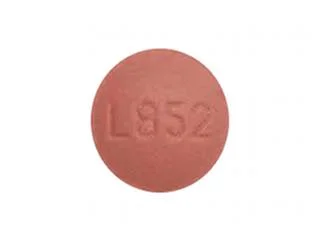
Ranitidine Tablets
Ranitidine tablets for acid reflux and stomach ulcers. It blocks histamine to reduce acid, working differently from proton pump inhibitors.
- Category
- Digestive Health
- Active ingredient
- Ranitidine
- Supply
- POM
- Route
- Oral use
- Form
- Tablet
- Strengths
- 150 · 300mg
Ranitidine Tablets details
- Therapeutic class
- H2-Receptor Antagonist
- Pharmacological class
- H2-Receptor Antagonist
- Contraindications
- hypersensitivity to ranitidine
- Minor side effects
- headache; constipation
- Moderate side effects
- dizziness; fatigue
- Dosage forms
- Tablet
- Administration route
- Oral use
- Prescription status
- Prescription-only medicine (POM)
- Onset Time
- 1–3 hours
- Duration
- 8–12 hours
- Storage instructions
- Store below 25°C.
- Drug interactions
- ketoconazole; warfarin
Precautions and warnings
medication withdrawn due to impurity risks; consult healthcare provider for alternatives
Serious side effects
hepatitis, requires immediate medical attention; anaphylaxis, requires immediate medical attention
Patient summary
Ranitidine tablets for acid reflux and stomach ulcers. It blocks histamine to reduce acid, working differently from proton pump inhibitors.
Mechanism of action
Ranitidine acts as an antagonist to histamine at the H2 receptors in the stomach, which effectively reduces the production and secretion of stomach acid.
Pregnancy and breastfeeding
Pregnancy: Use only if essential. Breastfeeding: Excreted in breast milk; medical advice required.
Where this medicine is registered
- United Kingdom
Ranitidine Tablets editorial notes
Ranitidine Tablets is a tablet containing Ranitidine, a prescription-only medicine (POM) in the UK.
Is Ranitidine Tablets available in the UK?
It is prescription-only, so a GP or a regulated online doctor supplies it after an assessment. How to check an online pharmacy is legitimate.
Common questions
What is Ranitidine Tablets used for? It is listed for peptic ulcer disease and gastro-oesophageal reflux disease.
Where to Check Availability
OK Healthy doesn't sell or supply medicines. These are independent external pharmacies, so check current availability and prices on their own sites.
These links open external pharmacy websites, not OK Healthy, and some are affiliate links, and we may earn a commission at no extra cost to you.How to check an online pharmacy is legitimate