
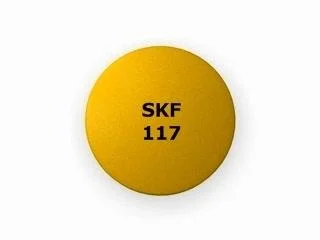
Thorazine
Chlorpromazine tablets for schizophrenia and psychotic disorders. It is one of the older antipsychotics and can cause significant drowsiness.
- Category
- Mental Health
- Active ingredient
- Chlorpromazine
- Supply
- POM
- Route
- Oral use
- Form
- Film-coated tablet
- Strengths
- 50 · 100mg
Thorazine details
- Conditions
- Schizophrenia · Psychotic Disorders · Nausea and Vomiting · Intractable Hiccups
- Alternative names
- Largactil
- Registration status
- Not registered in the UK
- Therapeutic class
- Typical Antipsychotic
- Pharmacological class
- Phenothiazine
- Precautions and warnings
- avoid sun and UV exposure; may impair motor coordination
- Minor side effects
- drowsiness; dry mouth; constipation
- Moderate side effects
- dystonia; hypotension; blurred vision
- Dosage forms
- Film-coated tablet
- Administration route
- Oral use
- Prescription status
- Prescription-only medicine (POM)
- Originator
- GSK
- Onset Time
- 30–60 minutes
- Duration
- 4–6 hours
- Storage instructions
- Store in a light-resistant container at room temperature.
- Drug interactions
- alcohol; sedatives; lithium
- Age restrictions
- Use with extreme caution in geriatric patients.
- Pregnancy and breastfeeding
- Pregnancy: Risk to fetus; consult specialist. Breastfeeding: Not recommended.
Contraindications
hypersensitivity to phenothiazines; central nervous system depression; coma; severe blood dyscrasias
Serious side effects
tardive dyskinesia, requires immediate medical attention; neuroleptic malignant syndrome, requires immediate medical attention
Patient summary
Chlorpromazine tablets for schizophrenia and psychotic disorders. It is one of the older antipsychotics and can cause significant drowsiness.
Mechanism of action
Thorazine acts primarily as an antagonist at postsynaptic dopamine receptors in the limbic system, hypothalamus, and basal ganglia. By blocking these receptors, it reduces the hyperactivity associated with psychotic conditions and helps regain stability in neurotransmitter signaling.
Not registered in the UK
- United Kingdom
Thorazine editorial notes
Thorazine is an overseas brand of Chlorpromazine, and it is not registered in the UK.
Is Thorazine available in the UK?
Thorazine is not a UK-licensed product. Whether Chlorpromazine is licensed in the UK can vary by molecule, so a UK pharmacist or GP can confirm its status and a suitable licensed option for schizophrenia, psychotic disorders, nausea and vomiting and intractable hiccups. How buying medicines from abroad works.
Common questions
Can I get Thorazine in the UK? The brand is not UK-registered. A pharmacist or GP can advise on a licensed UK option for schizophrenia, psychotic disorders, nausea and vomiting and intractable hiccups.