
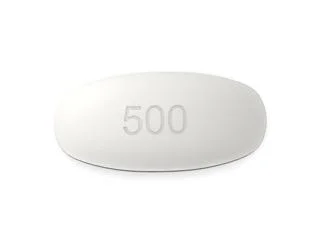
Naprelan
Naproxen tablets for arthritis. The prolonged-release form keeps the medicine working for longer, so it does not need to be taken as often.
- Category
- Pain Management
- Active ingredient
- Naproxen
- Supply
- POM
- Route
- Oral use
- Form
- Prolonged-release tablet
- Strengths
- 250 · 500mg
Naprelan details
- Conditions
- Rheumatoid Arthritis · Osteoarthritis · Ankylosing Spondylitis
- Alternative names
- Naprosyn
- Registration status
- Not registered in the UK
- Therapeutic class
- Non-steroidal Anti-inflammatory Drug (NSAID)
- Pharmacological class
- Propionic acid derivative
- Known off-label uses
- dysmenorrhoea
- Minor side effects
- dyspepsia; nausea; abdominal pain
- Moderate side effects
- oedema; dizziness; hypertension
- Dosage forms
- Prolonged-release tablet
- Administration route
- Oral use
- Prescription status
- Prescription-only medicine (POM)
- Originator
- Roche
- Onset Time
- 1 hour
- Duration
- 12–24 hours
- Storage instructions
- Store below 25°C.
- Drug interactions
- aspirin; corticosteroids; anticoagulants; diuretics
- Age restrictions
- Use with caution in elderly patients.
Contraindications
active peptic ulceration; history of gastrointestinal haemorrhage; severe heart failure; severe renal impairment; pregnancy
Precautions and warnings
use effective dose for minimum duration; monitor for gastrointestinal symptoms; use with caution in elderly
Serious side effects
gastrointestinal haemorrhage, requires immediate medical attention; myocardial infarction, requires immediate medical attention
Patient summary
Naproxen tablets for arthritis. The prolonged-release form keeps the medicine working for longer, so it does not need to be taken as often.
Mechanism of action
Naproxen is an NSAID that inhibits cyclooxygenase enzymes (COX-1 and COX-2), reducing the synthesis of prostaglandins which are mediators of pain, fever, and inflammation.
Pregnancy and breastfeeding
Pregnancy: Do not use, especially in the third trimester. Breastfeeding: Use with caution.
Not registered in the UK
- United Kingdom
Naprelan editorial notes
Naprelan is an overseas brand of Naproxen, and it is not registered in the UK.
Is Naprelan available in the UK?
Naprelan is not a UK-licensed product. Naproxen is approved in the UK. The licensed route is Naprosyn or generic Naproxen, through a UK pharmacy or prescriber. How buying medicines from abroad works.
Common questions
Is Naprelan the same as Naprosyn? Both contain Naproxen. Naprosyn is UK-licensed; Naprelan is not.
What is the UK route to Naproxen? Naprosyn or generic Naproxen, through a UK pharmacy or prescriber. See Naproxen.
Where to Check Availability
OK Healthy doesn't sell or supply medicines. These are independent external pharmacies, so check current availability and prices on their own sites.
These links open external pharmacy websites, not OK Healthy, and some are affiliate links, and we may earn a commission at no extra cost to you.How to check an online pharmacy is legitimate