
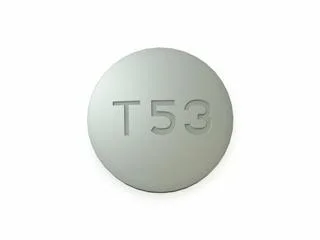
Diamox
Acetazolamide tablets for glaucoma and fluid retention. It reduces the production of fluid in the body, so it helps with swelling and pressure.
- Categories
- Heart & Blood Pressure · Eye Care
- Active ingredient
- Acetazolamide
- Supply
- POM
- Route
- Oral use
- Form
- Tablet
- Strengths
- 250mg
Diamox details
- Conditions
- Glaucoma · Oedema · Acute Mountain Sickness
- Registration status
- Registered for use in the UK
- Therapeutic class
- Carbonic Anhydrase Inhibitor
- Pharmacological class
- Carbonic Anhydrase Inhibitor
- Known off-label uses
- altitude sickness
- Contraindications
- severe hepatic impairment; severe renal impairment; hypokalaemia
- Minor side effects
- nausea; dizziness; tingling in extremities
- Moderate side effects
- polyuria; altered taste
- Dosage forms
- Tablet
- Administration route
- Oral use
- Prescription status
- Prescription-only medicine (POM)
- Originator
- Mercury Pharma
- Onset Time
- 1–2 hours
- Duration
- 8–12 hours
- Storage instructions
- Store in a cool, dry area.
- Drug interactions
- topiramate; salicylates
- Age restrictions
- Use requires careful clinical assessment.
- Pregnancy and breastfeeding
- Pregnancy: Avoid. Breastfeeding: Low risk, but use with caution.
Precautions and warnings
may affect blood sugar control; avoid driving if drowsiness occurs; regular blood monitoring recommended
Serious side effects
stevens-johnson syndrome, requires immediate medical attention; blood dyscrasias, requires immediate medical attention
Patient summary
Acetazolamide tablets for glaucoma and fluid retention. It reduces the production of fluid in the body, so it helps with swelling and pressure.
Mechanism of action
Acetazolamide is a carbonic anhydrase inhibitor. By blocking this enzyme in the eye, it reduces the production of aqueous humour, thereby lowering intraocular pressure. It also acts as a mild diuretic by inhibiting bicarbonate reabsorption.
Registered for use in the UK
- United Kingdom
Diamox editorial notes
Diamox is a brand of acetazolamide, a glaucoma medicine that is far better known to mountaineers than to most doctors, as the pill that helps you cope with altitude.
The mountain drug
Acetazolamide is licensed in the UK for glaucoma and a few other conditions, but its fame comes from a use it is not licensed for here: preventing and easing acute mountain sickness. It makes the blood slightly more acidic, which nudges the body to breathe a little more and acclimatise faster as you climb. Trekkers heading for high passes and base camps often carry it, started a day or two before going high.
A warning worth taking seriously
Acetazolamide is not a licence to ignore the mountain. It does not replace a sensible ascent rate, and the real treatment for serious altitude sickness is to go down. It is related to sulfonamide antibiotics, so people with that allergy should avoid it, and it commonly causes tingling in the fingers and toes, a flat or odd taste (fizzy drinks taste strange), and passing more urine. It stays prescription-only so these are checked first.
Diamox and the UK
Diamox and generic acetazolamide are prescription-only, from a GP or a travel or regulated online doctor, who can advise on altitude use alongside the basics of acclimatising safely.
Common questions
Does Diamox prevent altitude sickness? It can reduce the risk and ease symptoms by helping you acclimatise, but it is not a guarantee and does not replace a careful ascent.
What are the common side effects? Tingling in the hands and feet, an altered taste, and passing more urine are typical.
Is altitude use licensed in the UK? No, that use is off-label here, though it is widely used by trekkers; a clinician can advise.
Source: Altitude sickness, NHS
Where to Check Availability
OK Healthy doesn't sell or supply medicines. These are independent external pharmacies, so check current availability and prices on their own sites.
These links open external pharmacy websites, not OK Healthy, and some are affiliate links, and we may earn a commission at no extra cost to you.How to check an online pharmacy is legitimate