
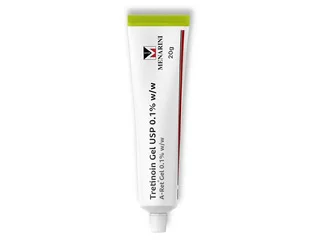
A-ret

Accelerates skin cell turnover to clear blocked pores, reduce breakouts, and improve overall skin texture.

Strengths: 0.1%

Medicine details

Conditions
Alternative names

Obagi Tretinoin; Retrieve Cream

Therapeutic class

Retinoid

Pharmacological class

Retinoid

Known off-label uses

photoaging

Contraindications

hypersensitivity to tretinoin; pregnancy; known history of epithelioma

Minor side effects

erythema; dry skin; peeling; pruritus

Moderate side effects

photosensitivity

Serious side effects

severe skin irritation — requires immediate medical attention

Dosage forms

Cream; Gel

Administration route

Cutaneous use

Patient summary

Formulated for acne vulgaris utilized to alleviate inflammatory lesions.

Prescription status

POM

Manufacturer

iNova Pharmaceuticals

Onset Time

2–4 weeks

Duration

12–24 weeks

Storage instructions

Store at controlled room temperature, away from direct sunlight.

Drug interactions

benzoyl peroxide; salicylic acid

Age restrictions

Use with caution in adolescents.

Precautions and warnings

avoid sun exposure; avoid contact with mucous membranes; use non-comedogenic cosmetics

Mechanism of action

Tretinoin is a vitamin A derivative that increases the turnover of follicular epithelial cells, preventing the formation of microcomedones and promoting the expulsion of existing comedones.

Pregnancy and breastfeeding

Pregnancy: Contraindicated due to risk of teratogenicity. Breastfeeding: Not recommended.

A-ret: Tretinoin

Acne management often centers on formulas like A-ret, a branded medicine containing tretinoin. Tretinoin, a potent derivative of vitamin A, encourages your skin cells to renew faster, clearing trapped material that causes recurrent breakouts.

What Is A-ret?

Tretinoin serves as the core active compound in A-ret, a branded medicine designed for dermatology and skincare routines. Manufactured by iNova Pharmaceuticals, this formulation focuses on the physiological processes that contribute to acne.

Skincare professionals often categorize products like A-ret under the retinoid family. By addressing the fundamental causes of clogged pores, you may find that the product offers a systematic approach to clearer skin.

How Is A-ret Classified?

Regulation of medicines in the UK classifies tretinoin as a prescription-only medicine. You will find that access to this active compound requires a clinical assessment by a healthcare professional, such as a doctor or a dermatology specialist, to ensure it suits your specific skin profile.

Pharmacy-based supply in the UK adheres to strict safety monitoring. Regulatory standards ensure that dermatological preparations containing tretinoin are used within the legal frameworks established for dermatological care.

A-ret: Form and Available Strengths

A-ret is available in specified topical forms, typically as a cream or gel, which allows for localized application directly onto the affected skin. iNova Pharmaceuticals produces these formulations to ensure stable delivery of the active ingredient to the skin surface.

The strengths available through clinical channels vary. Patients are usually advised to consult verified product literature or their prescribing physician to confirm local availability. Different concentrations may be provided depending on your specific skin sensitivity and the severity of the condition being managed.

What Is A-ret Used For?

A-ret assists with managing acne vulgaris—a skin condition that manifests as comedones, papules, and pustules. By affecting the way your skin cells behave, the active compound targets the formation of these blockages before they become visible blemishes.

Long-term use is often approached with a focus on skin texture and pore clearance. While many patients look for immediate results, the primary role of this formulation involves consistent cellular turnover over several weeks or months.

How Does Tretinoin Work in A-ret?

Your skin is constantly turning over its layers, but in acne-prone skin, that natural rhythm often slows down. Cells can accumulate inside your pores, mixing with natural oils and creating the perfect environment for a breakout.

Think of A-ret as a signal to your skin to pick up the pace. When you apply the medication, tretinoin encourages deeper skin cells to reach the surface much faster than normal. This rapid turnover physically prevents the buildup of dead cells that cause clogged pores. Over time, you see fewer new breakouts and often notice a smoother, more refined texture as the surface layer consistently renews itself.

Where A-ret Fits in Its Drug Class

Tretinoin belongs to a class of compounds known as retinoids. These substances act as biological messengers that bind to receptors in your skin, triggering regulatory pathways that control how cells grow and shed.

Other compounds in this class, such as adapalene, function through similar mechanisms but may differ in how they interact with skin receptors, often affecting local irritation levels. Distinguishing between these options helps providers determine which specific formulation aligns best with your skin’s tolerance.

Safety Overview for A-ret

What to check before using this medicine

Skin sensitivity represents the primary safety consideration for those starting a retinoid. If you have active eczema, severe sunburn, or hypersensitivity to vitamin A derivatives, your provider will likely discuss alternative options. Always disclose existing skin conditions to your healthcare professional before initiating a routine with A-ret.

Possible reactions and tolerability

Redness, peeling, and increased sensitivity to sunlight are common responses as your skin adjusts to the accelerated turnover cycle. Many people refer to this adjustment phase as the “retinization” process. Using a gentle cleanser and a non-comedogenic moisturizer can manage these temporary changes in skin comfort.

Interactions and health factors

Other topical treatments, particularly benzoyl peroxide or strong exfoliating acids, may cause excessive irritation when used at the same time as A-ret. Pregnancy and breastfeeding status are vital factors for discussion, as systemic or high-potency topical retinoids require specific medical guidance for those populations. Product labeling and verified clinical sources remain the correct references for specific contraindications, interactions, and potential reactions.

Finding A-ret in the UK

  • Patients in the UK often look for A-ret through clinical directories before scheduling a consultation with a dermatology specialist.
  • Searching for the active compound, tretinoin, helps users recognize generic or originator alternatives such as Retrieve Cream or Obagi Tretinoin.
  • Many individuals compare different strengths or forms—such as gel versus cream—to understand how each might impact their daily skincare routine.
  • Verification of stock availability at a registered pharmacy often follows a formal prescription issuance.

Key Terms for A-ret

Acne Vulgaris : A chronic inflammatory skin condition characterized by the formation of comedones, papules, pustules, and nodules.

Retinoid : A class of chemical compounds derived from vitamin A that regulate skin cell growth and surface renewal.

Tretinoin : The active molecular compound responsible for accelerating skin cell turnover to clear pores and refine texture.

Important Safety Information for A-ret

Tretinoin is a potent dermatological agent and, while present in A-ret, requires responsible use under professional supervision. Products containing this active compound may vary in formulation and strength, and results depend heavily on individual skin characteristics. This page provides information for educational purposes and does not authorize clinical application or self-directed use. Please consult the enclosed product labeling, compare it with your own health situation, and speak with a healthcare professional regarding clinical outcomes.